
Sling to Singa
40 hours elapsed from the moment we left home to when we arrived at our hotel.
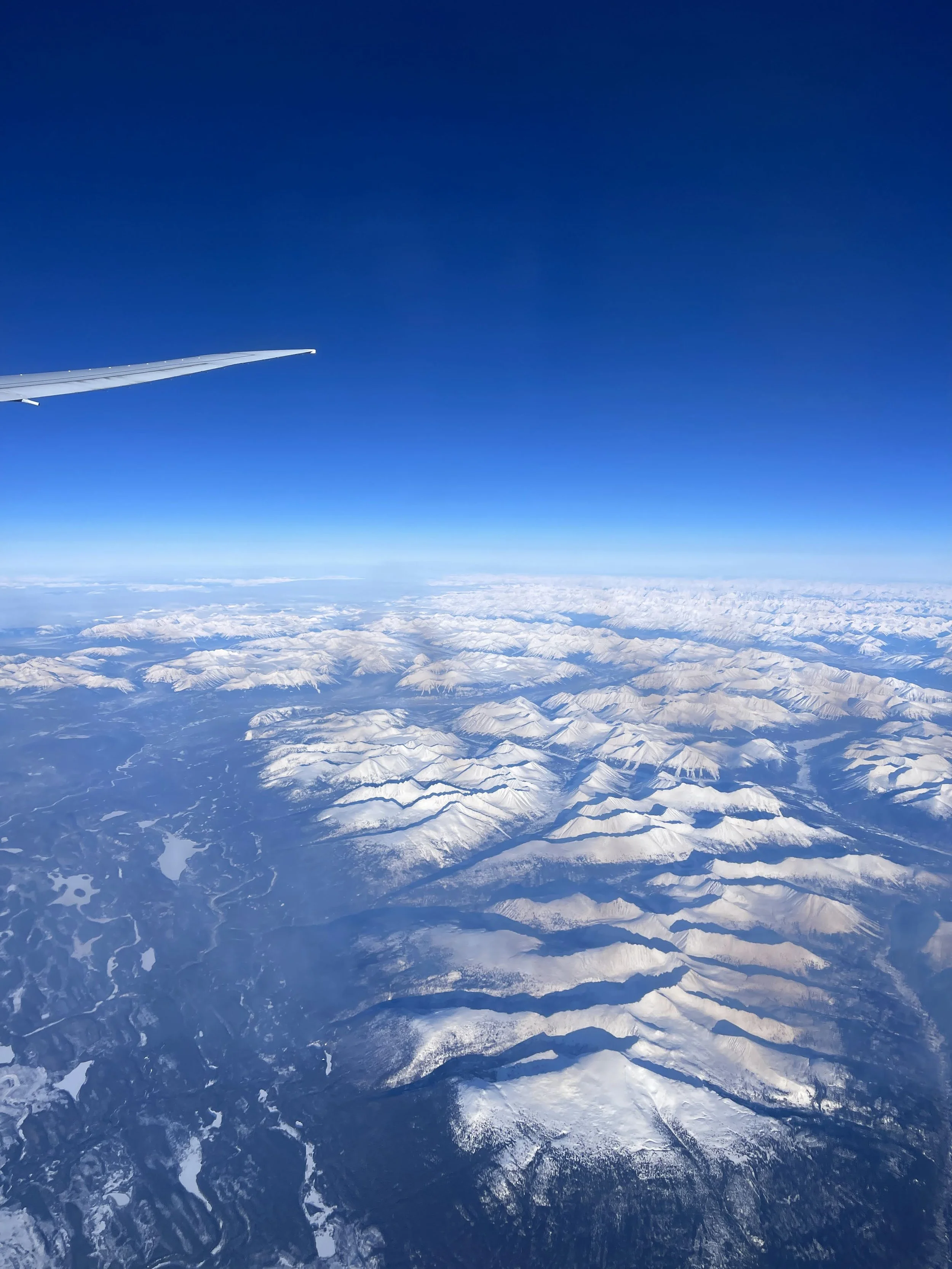
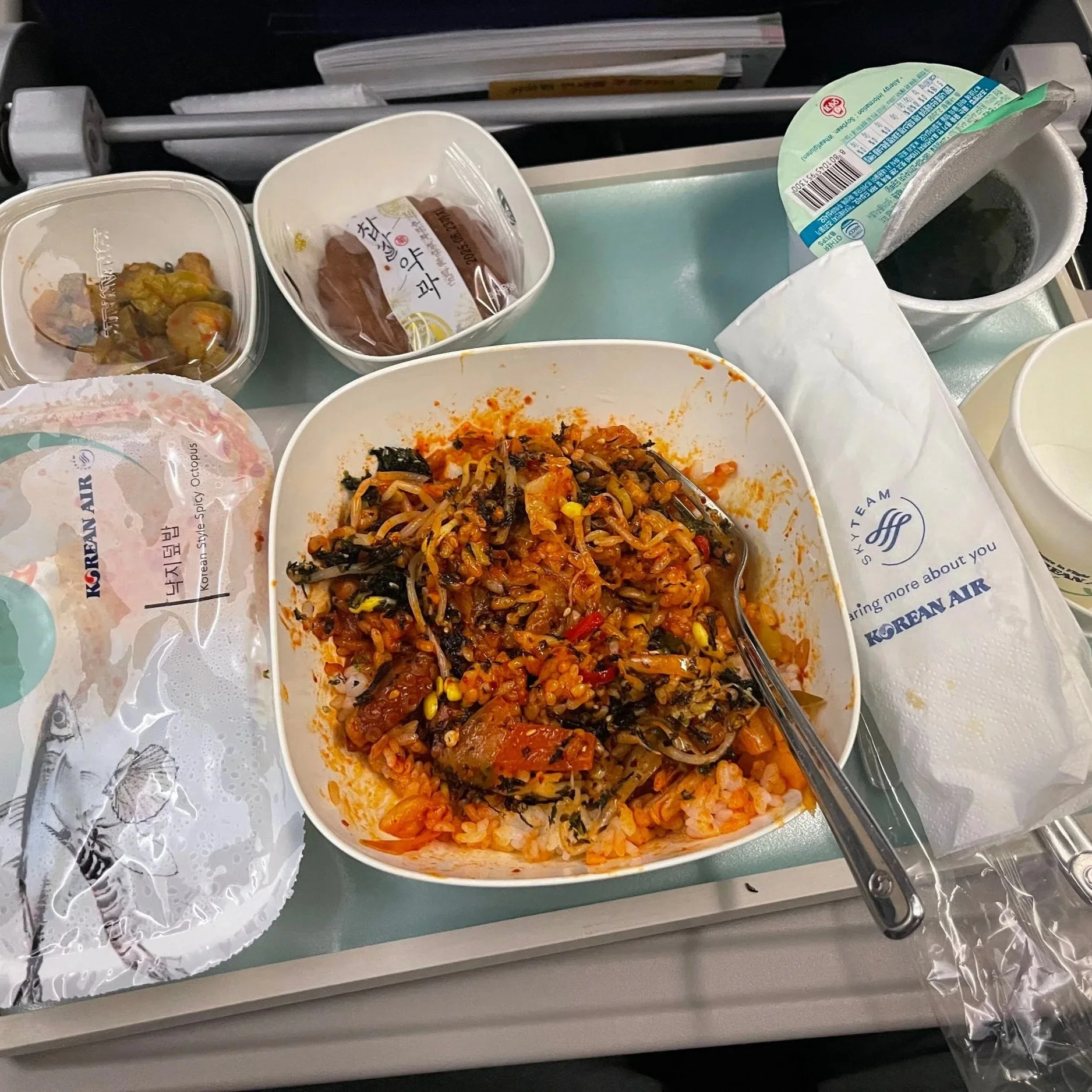
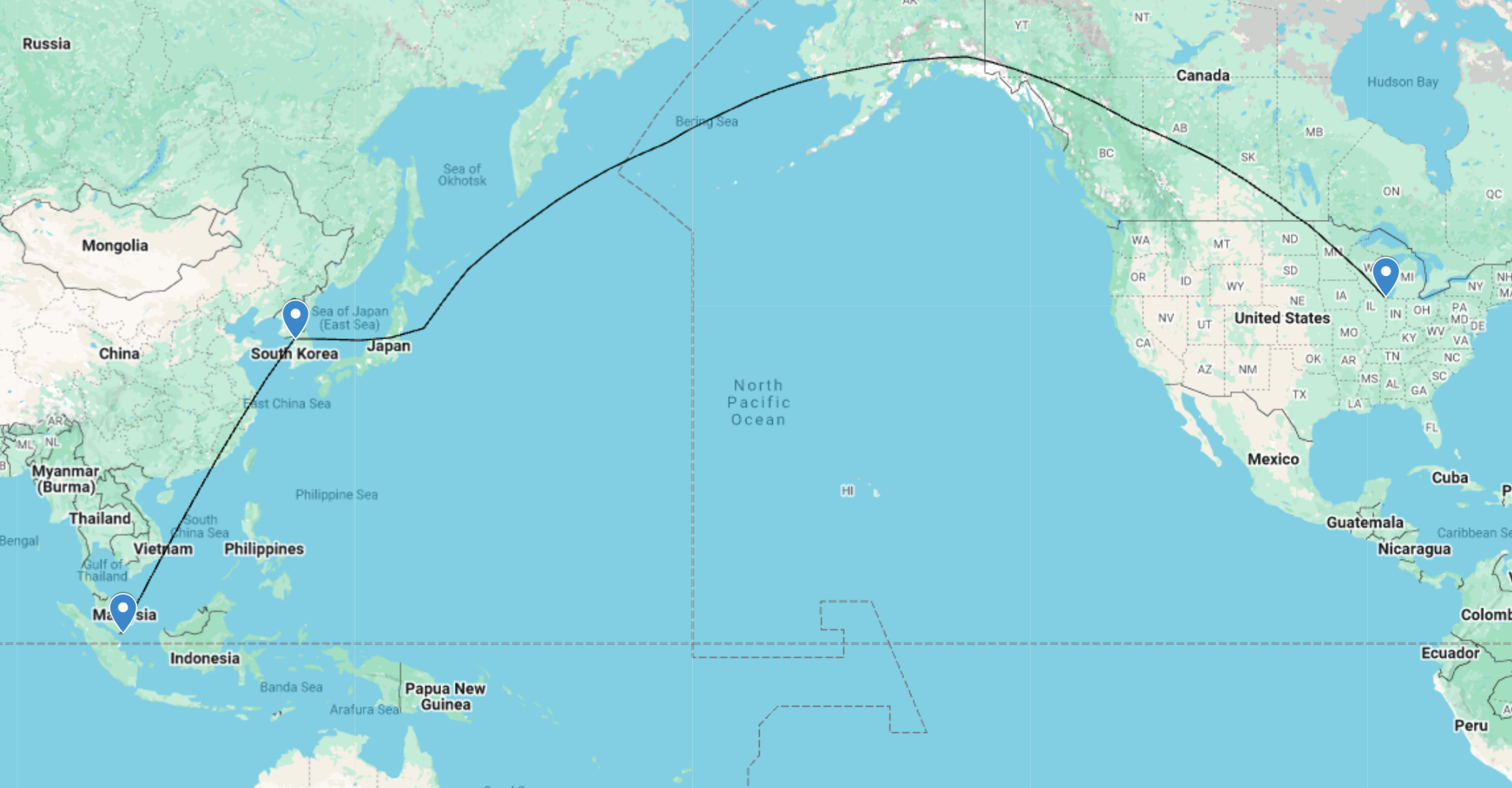
My wife Corey & I had spent January in Chicago and flew out from O’Hare over Canada, Alaska, the Bering Sea, and Japan before touching down in Seoul for our layover. The inflight meals of bibimbap, Korean-style spicy octopus, and a scrambled egg rice ball got me in the mood for the three-and-a-half weeks we’d spend in Southeast Asia for our honeymoon. Rather than a standard relax-at-the-beach type of honeymoon — which I repeatedly promised Corey we’d at least get to experience in Thailand — we felt compelled to make the most of my time off work and planned a packed itinerary through four countries.
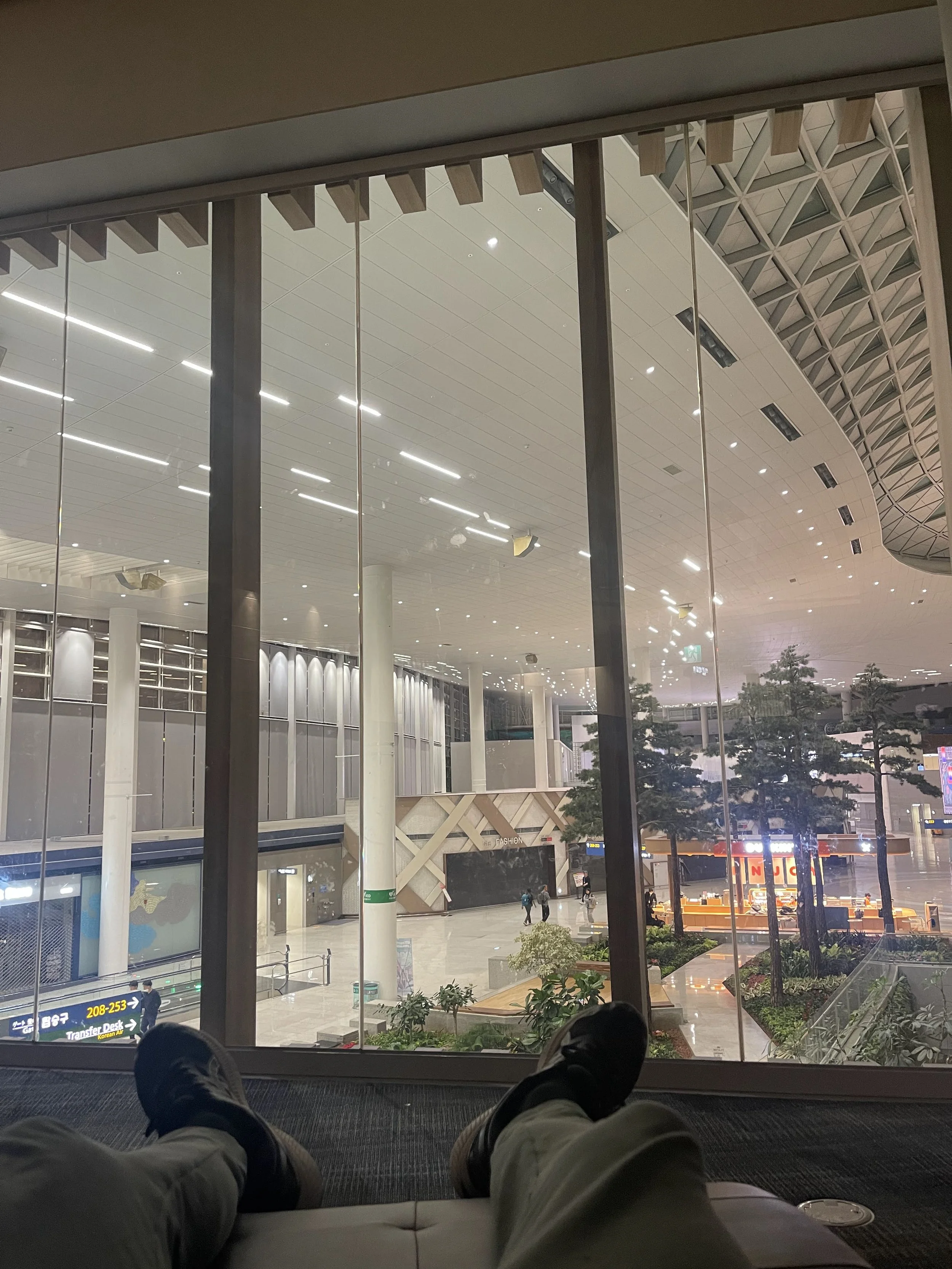
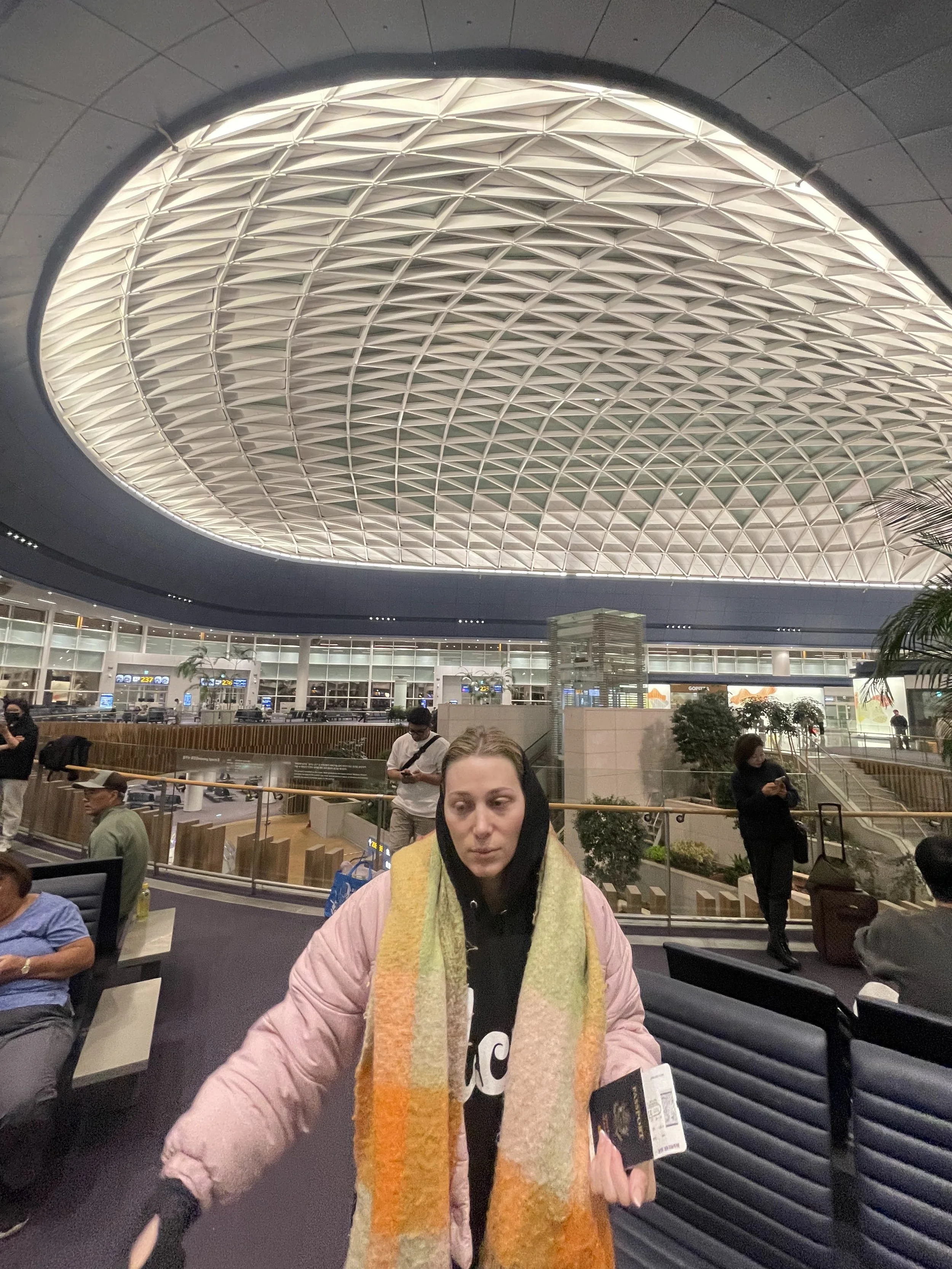
After putting the Incheon airport’s Nap Zone to use, we boarded our second flight for Singapore and touched down at 4:30am local time, the lights of container ships floating in the Singapore Strait the only thing visible out our window on that rainy morning.
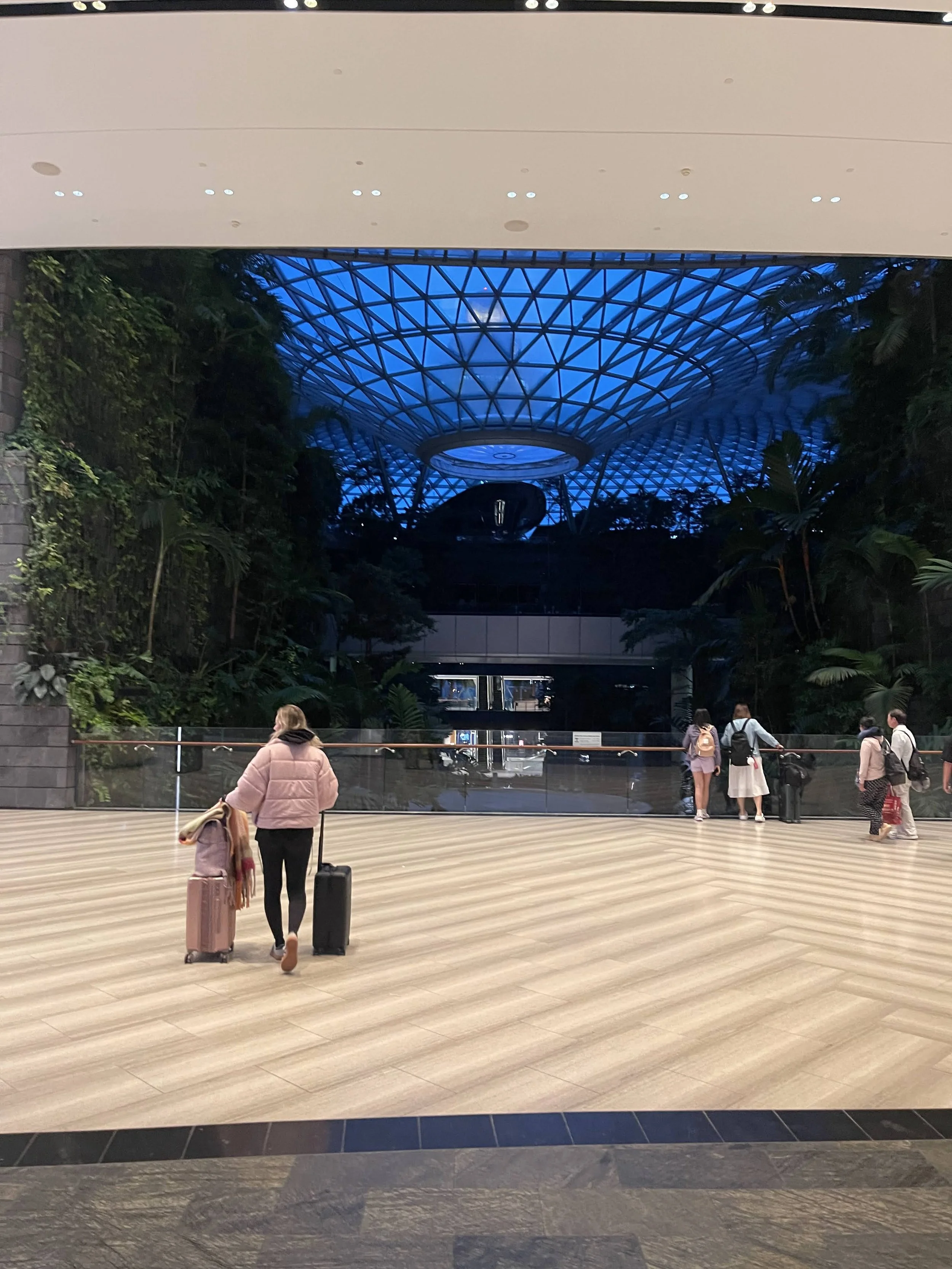
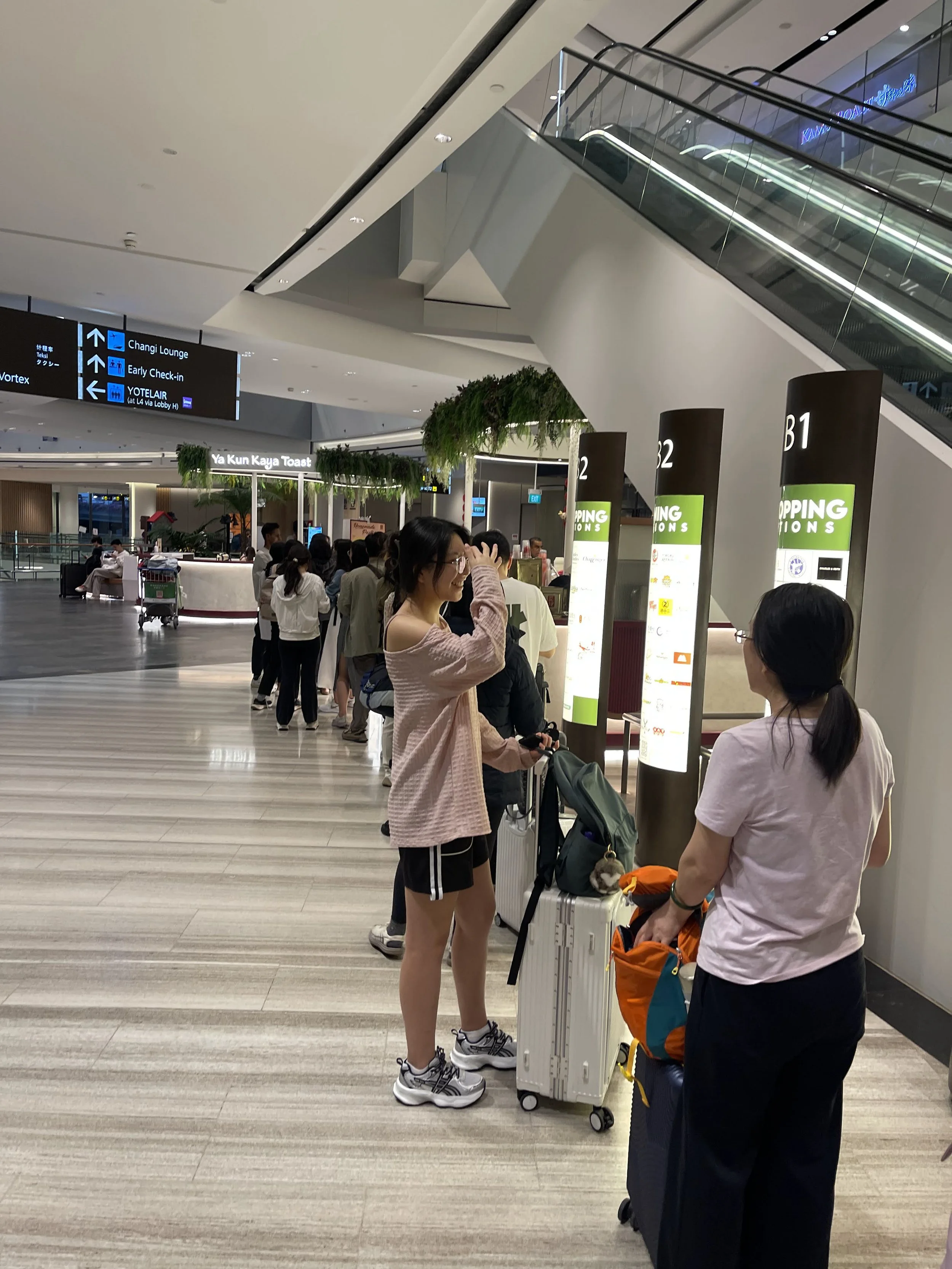
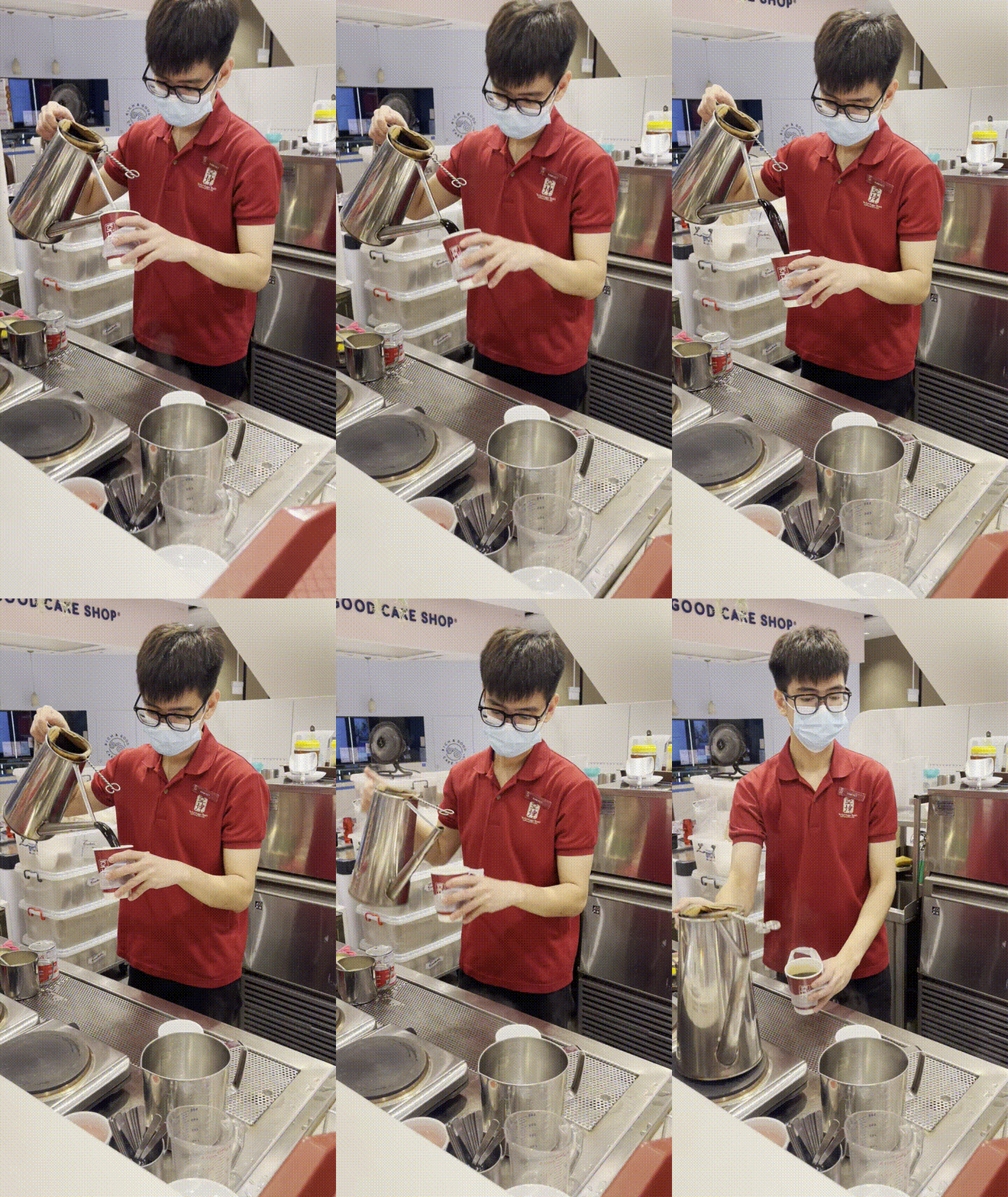
We couldn’t check into our hotel until 3pm, so we hung outside customs until the Jewel began to stir at around 7am. The sun was just about to rise when we walked in to the nearly-deserted mall and found one of the few places that was open at that hour – Ya Kun Kaya Toast – which, after we’d made it to the front of the line, welcomed us with an evidently-Singaporean meal of kopi (coffee) poured from a long stem, soft boiled eggs, and kaya butter toast.
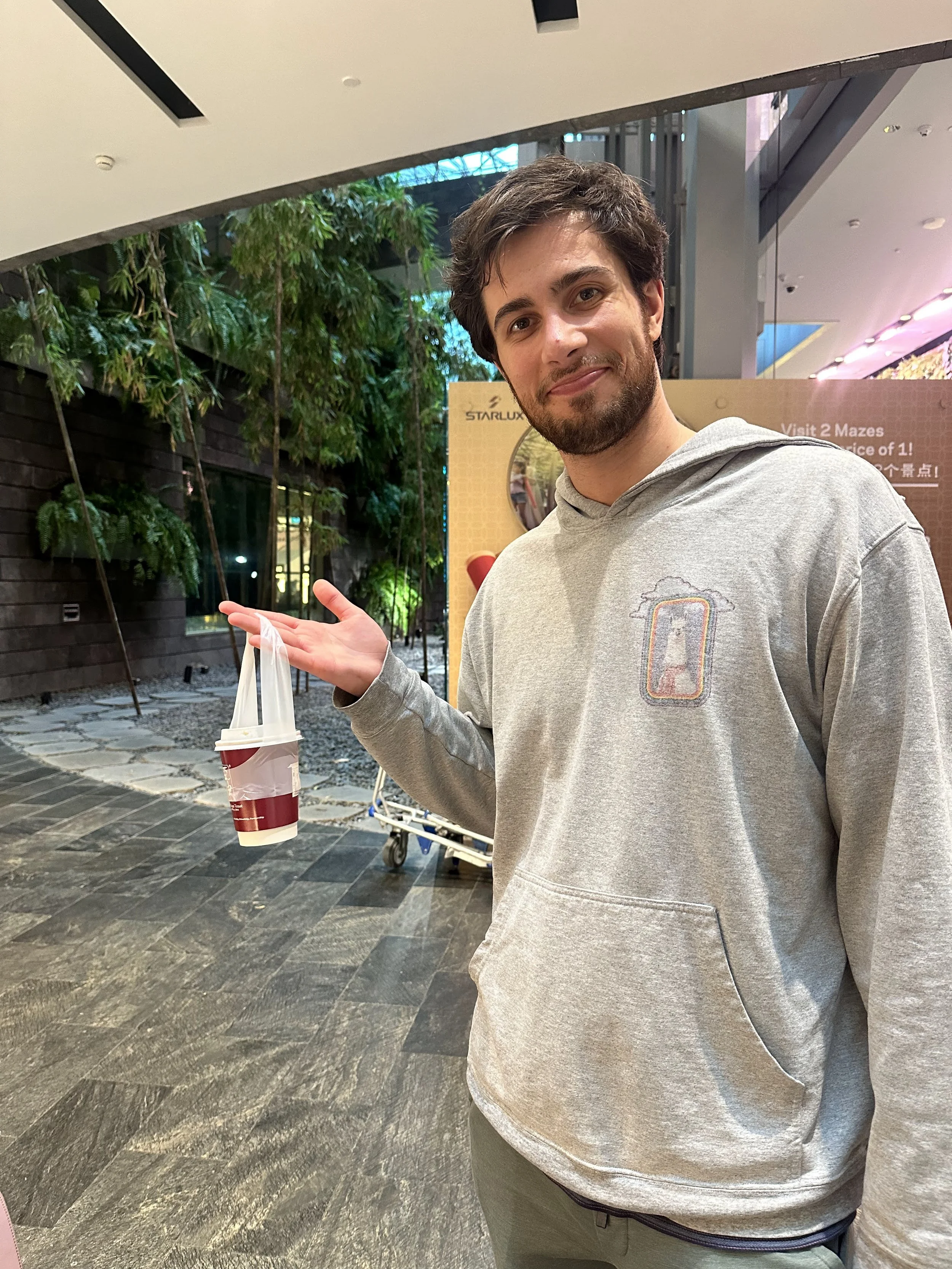
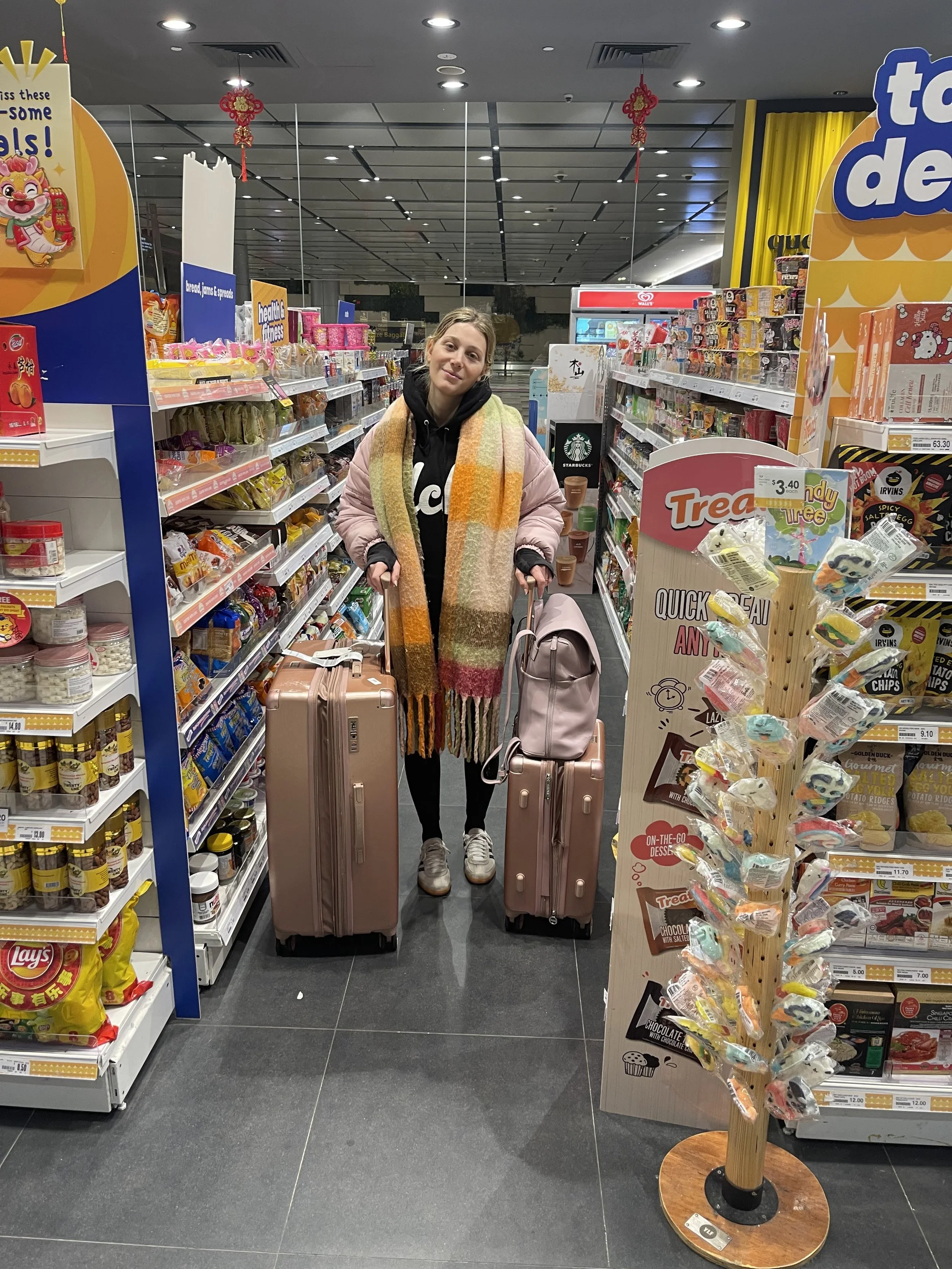
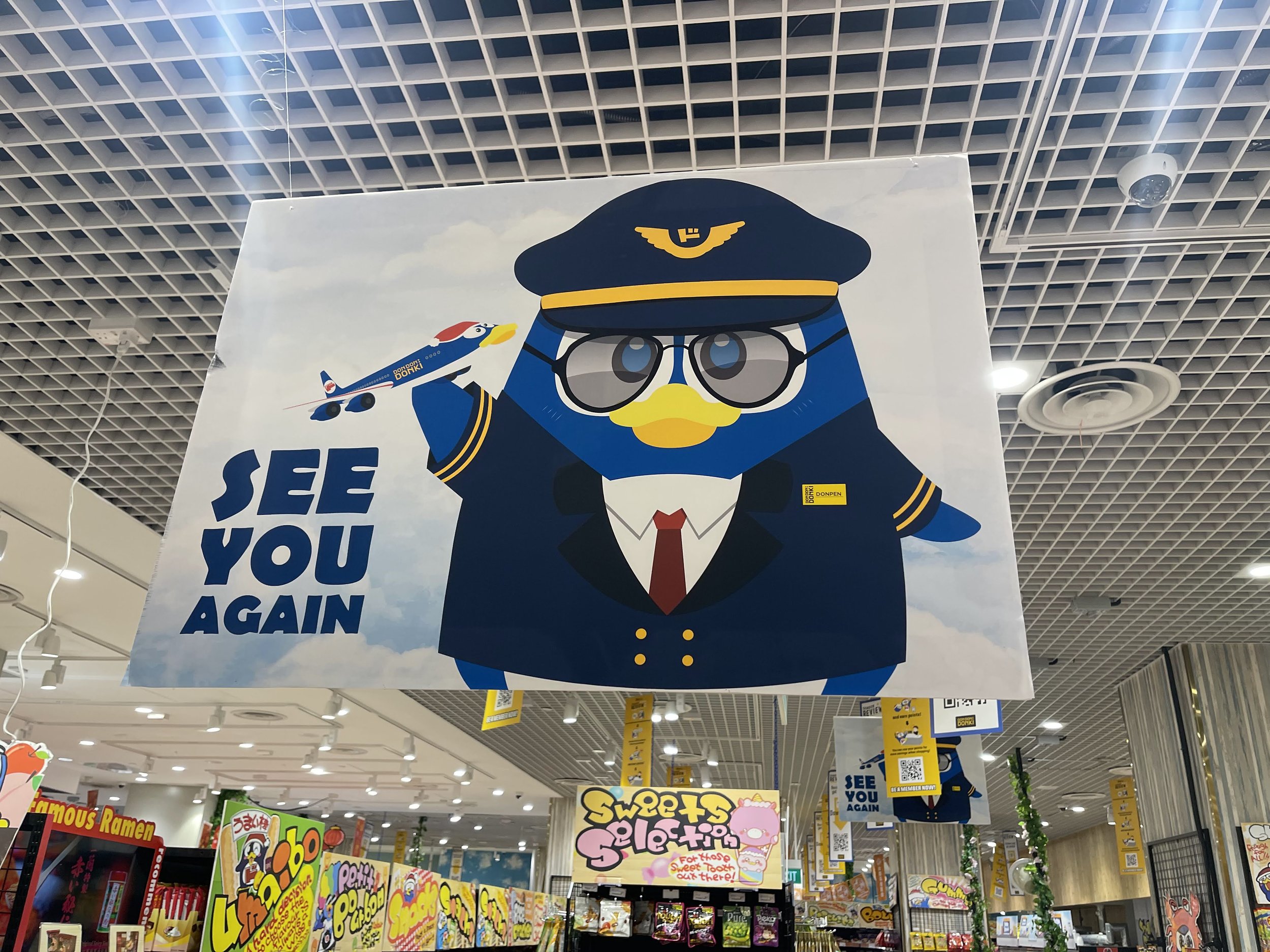
Despite the extreme lack of sleep and it being our first time in Singapore, we started to feel more at home when we found a Don Don Donki, which brought us right back to when we’d visited the MEGA DONKI during our trip to Tokyo two years prior. Coincidentally, I’d even been reading Don Quixote during our plane ride (the original inspiration for the Don Quijote retail brand), but as you might imagine, that old Spanish book has little in common with the massive Japanese variety store chain.
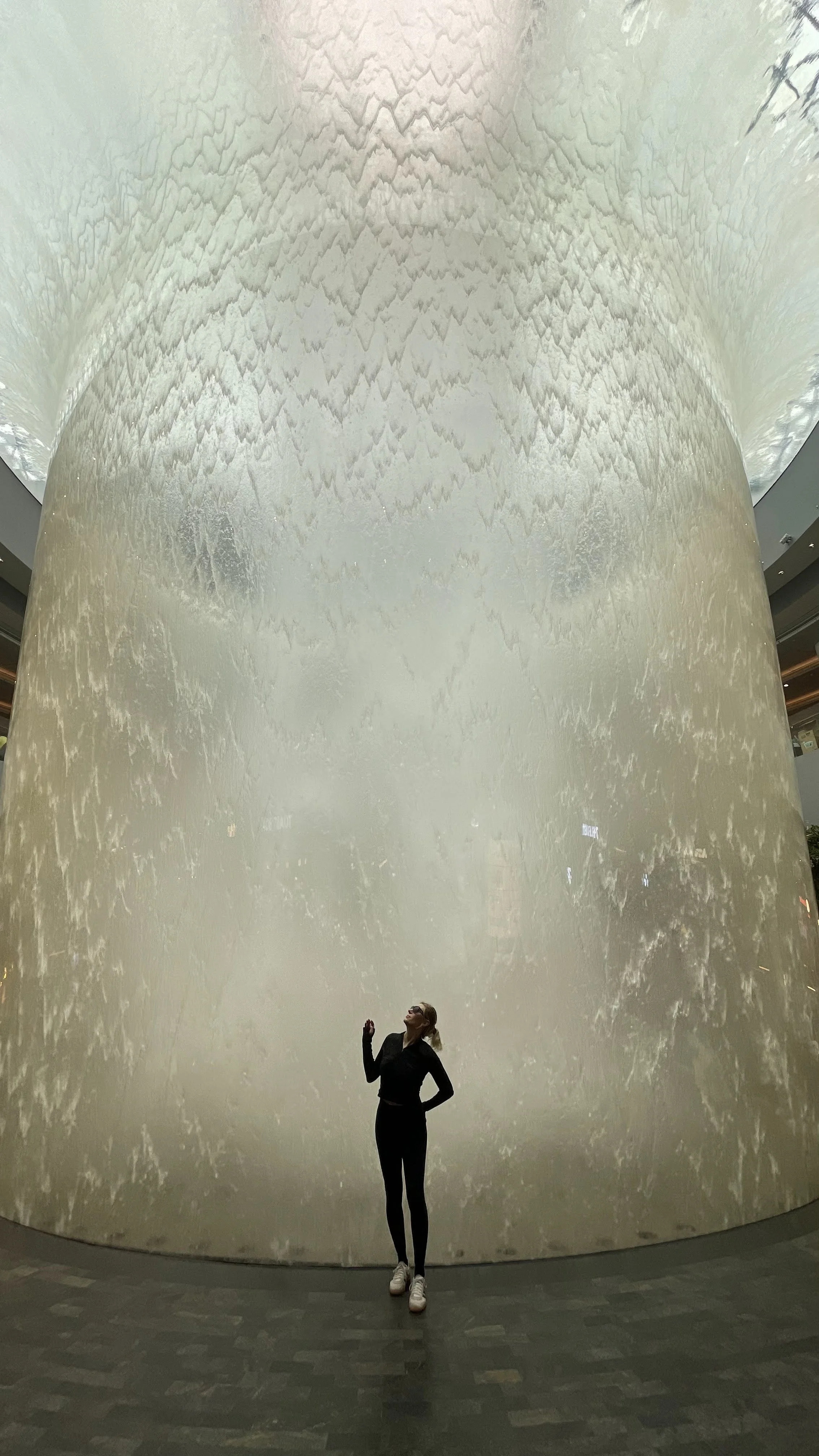
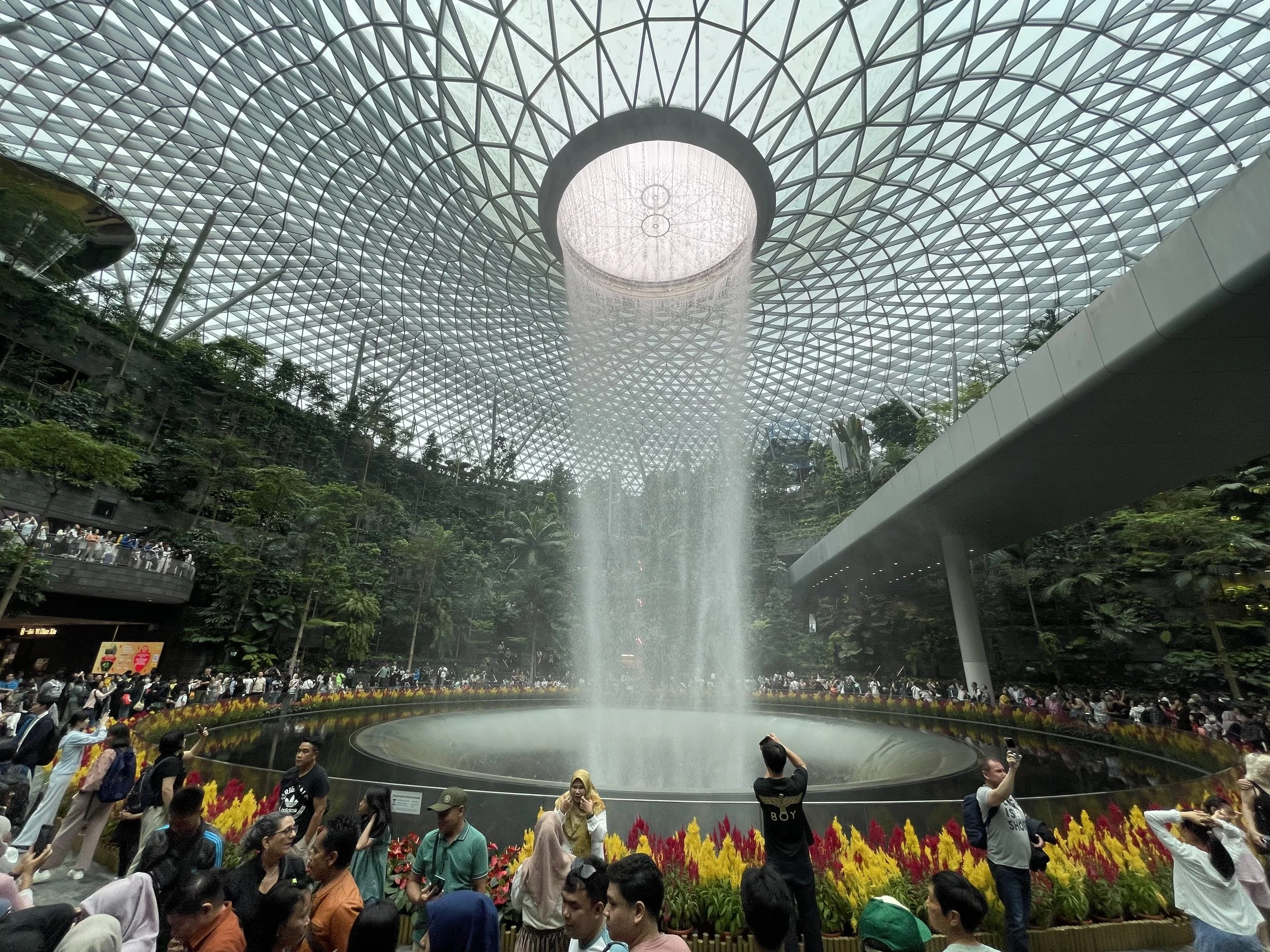
We weren’t waiting only for our hotel to open, but also for the Jewel’s famous waterfall to begin, which happened at 11am sharp accompanied by Star Wars music as all us tourists gathered around and took photos and video.
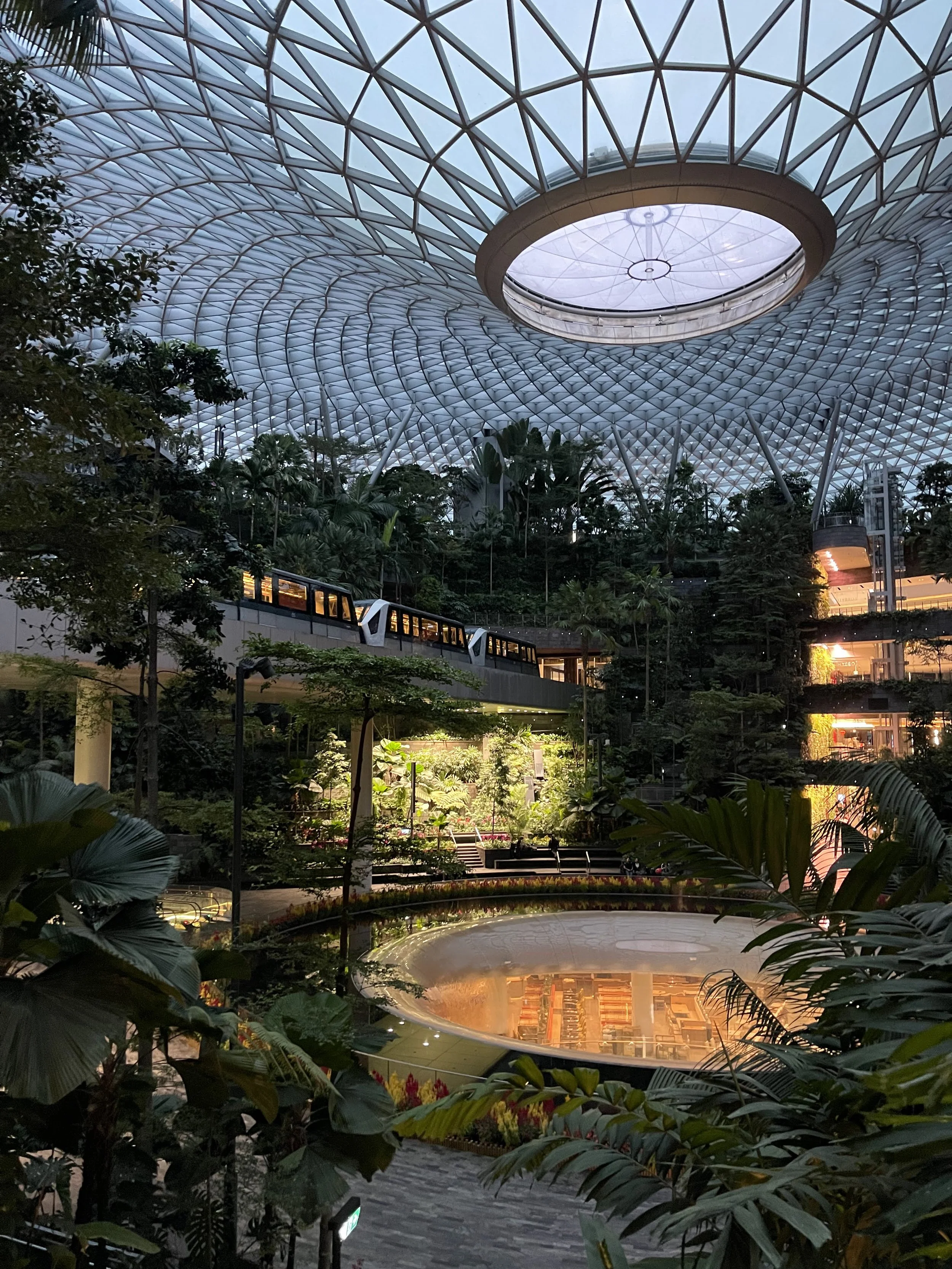
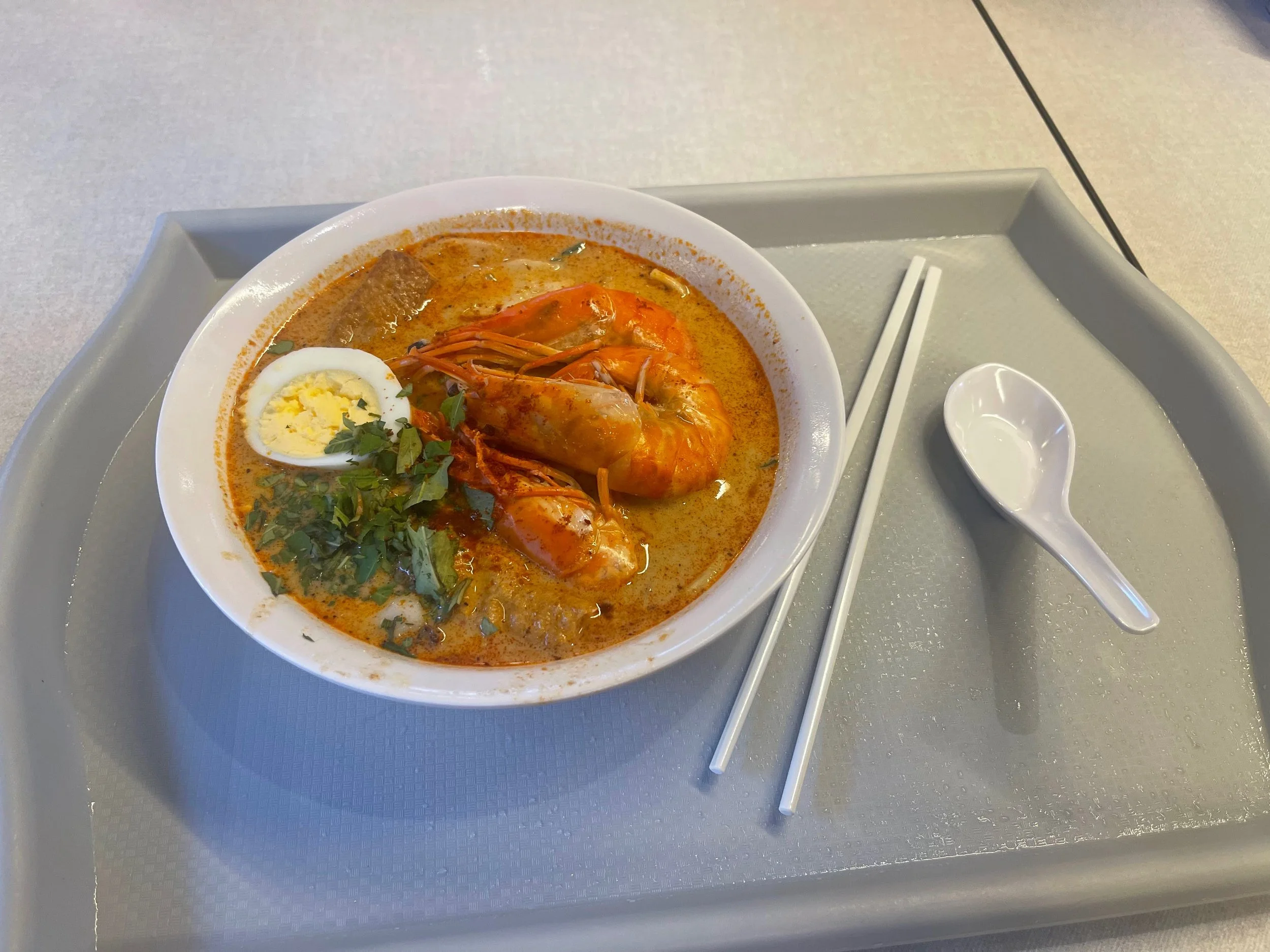
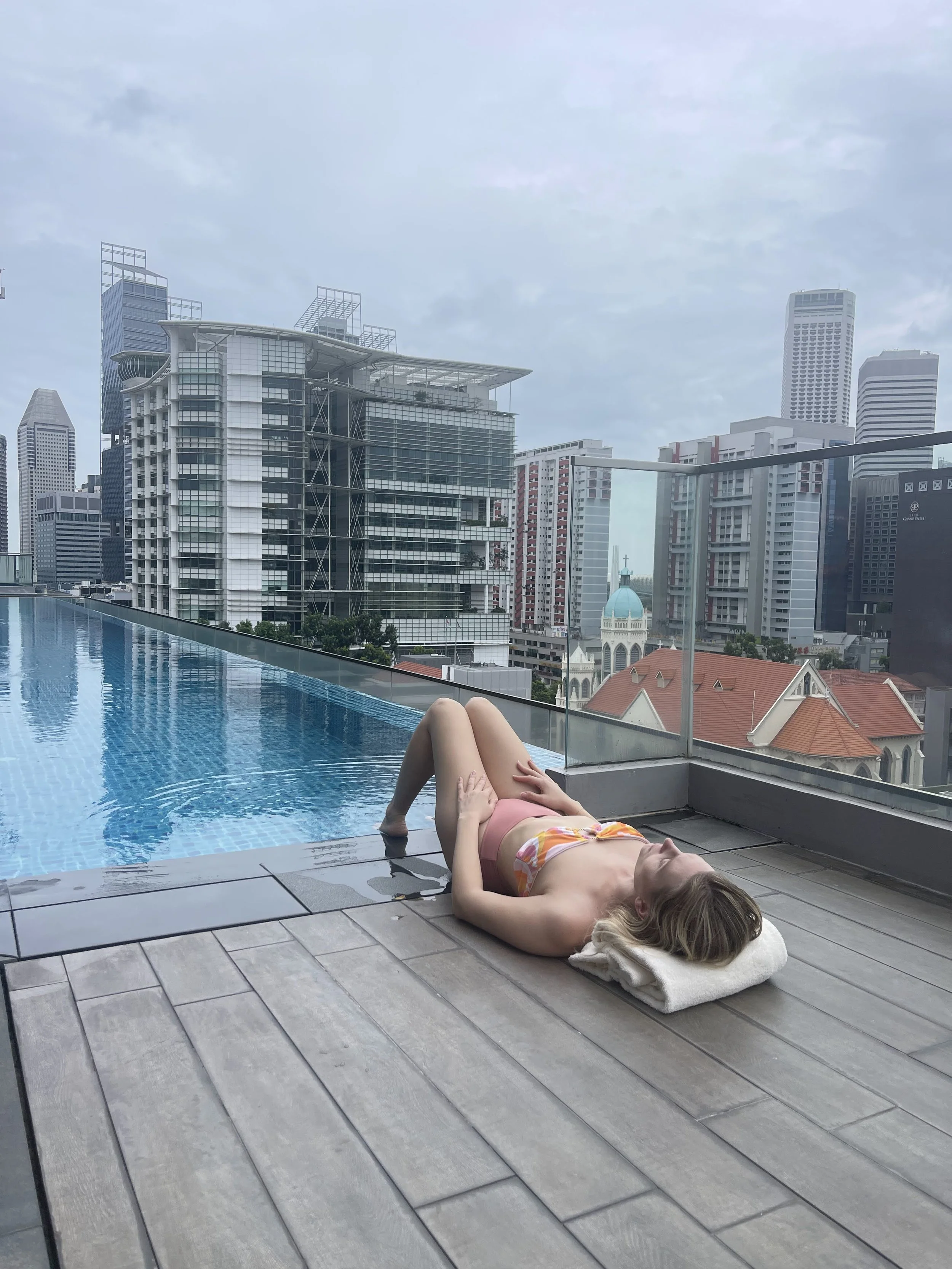
We explored the futuristic mall – now in full swing – from top to bottom before dining on jumbo prawn nyonya laksa in the basement food court and finally taking a cab to our hotel at which we laid out the pool then showered before finally collapsing in bed.
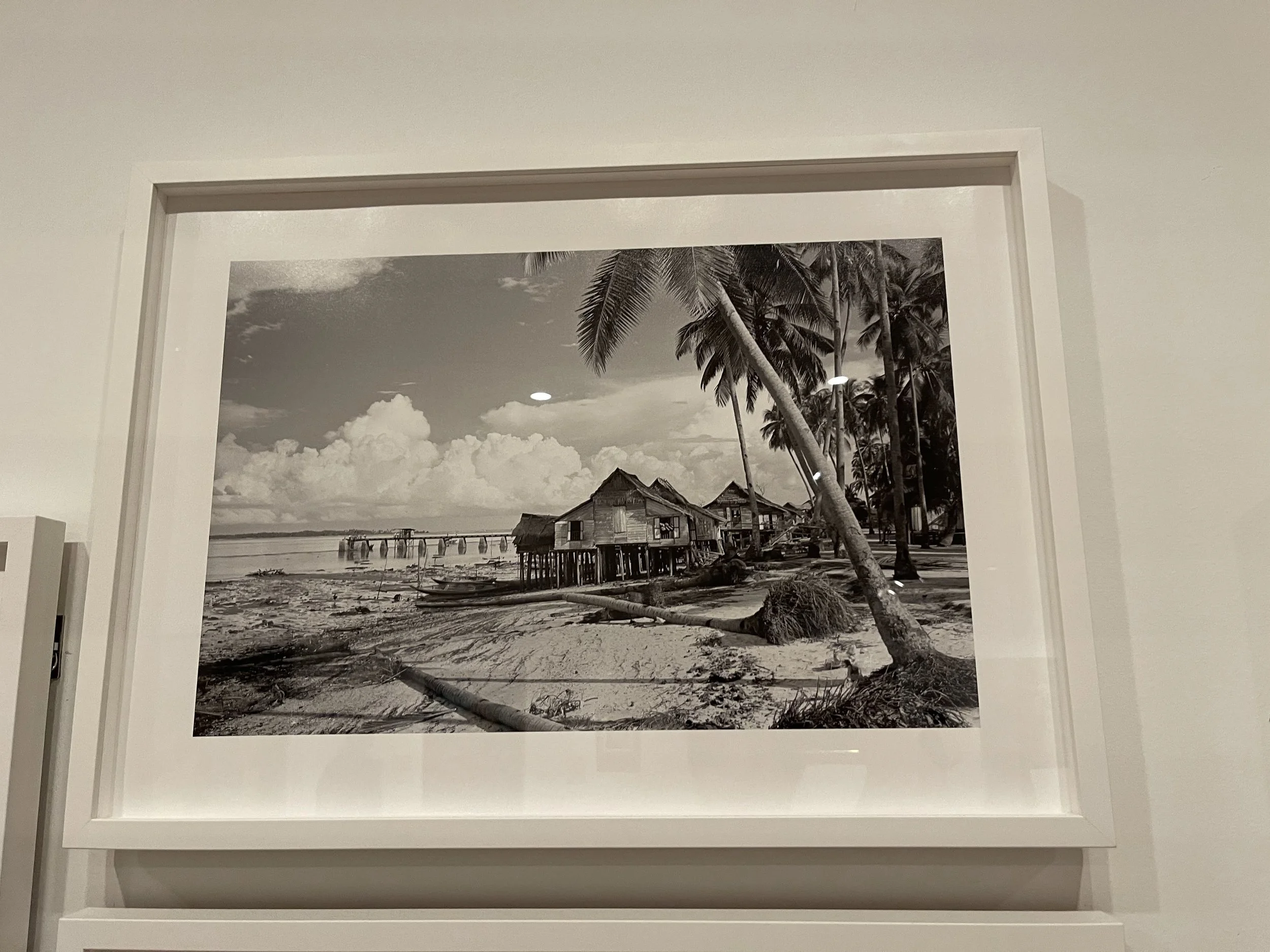
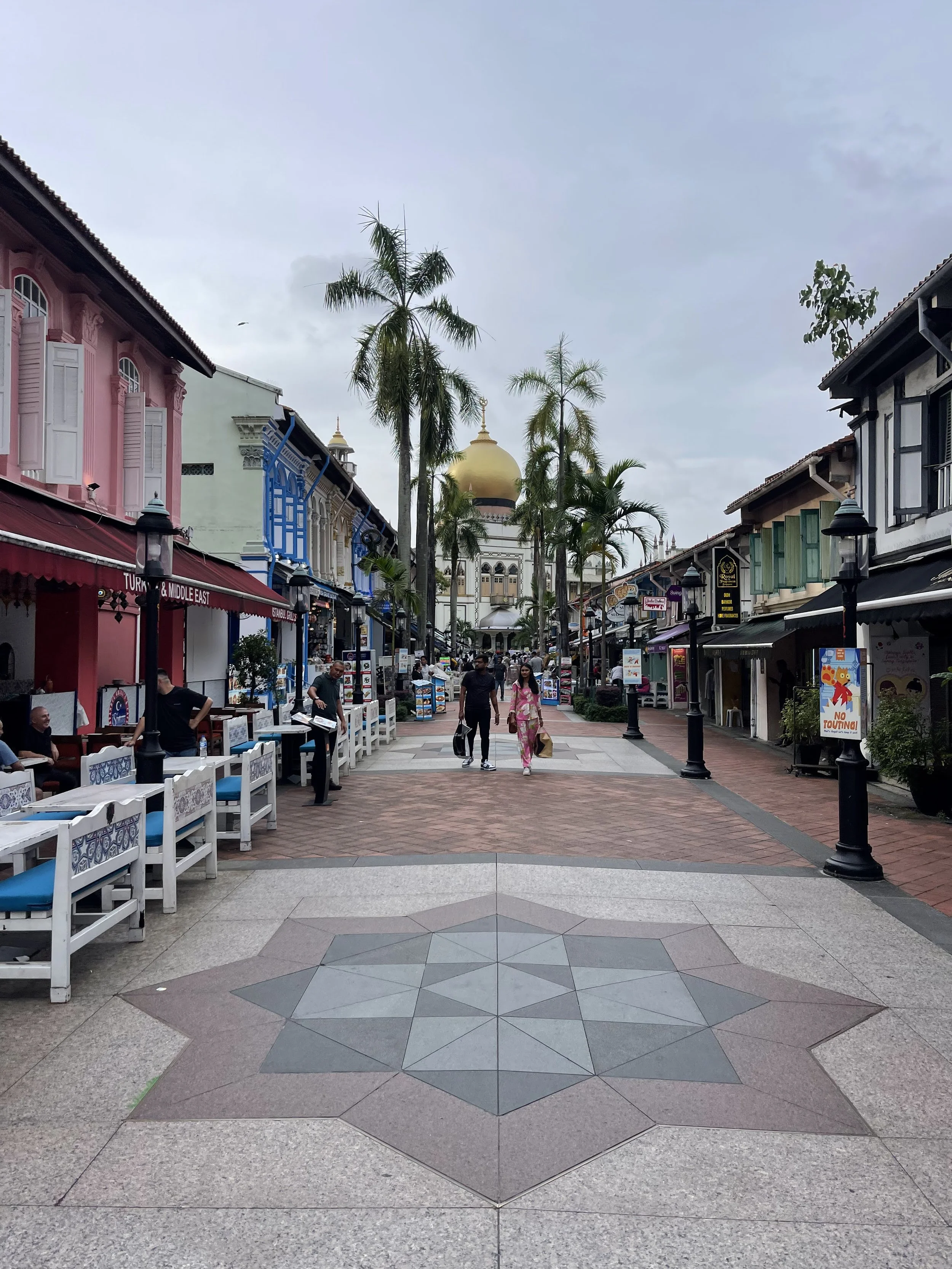
Only for a couple hours though, as by now it was dinnertime. We set out from the hotel to explore a bit, starting with Kampong Glam. I wondered if it could be the same as Ah Boon’s kampong in The Great Reclamation by Rachel Heng. Probably not, given Glam is specifically known as a Muslim kampong; Carl Gibson-Hill’s photo Kampong on Singapore’s East Coast struck me as a more accurate representation of Ah Boon’s house.
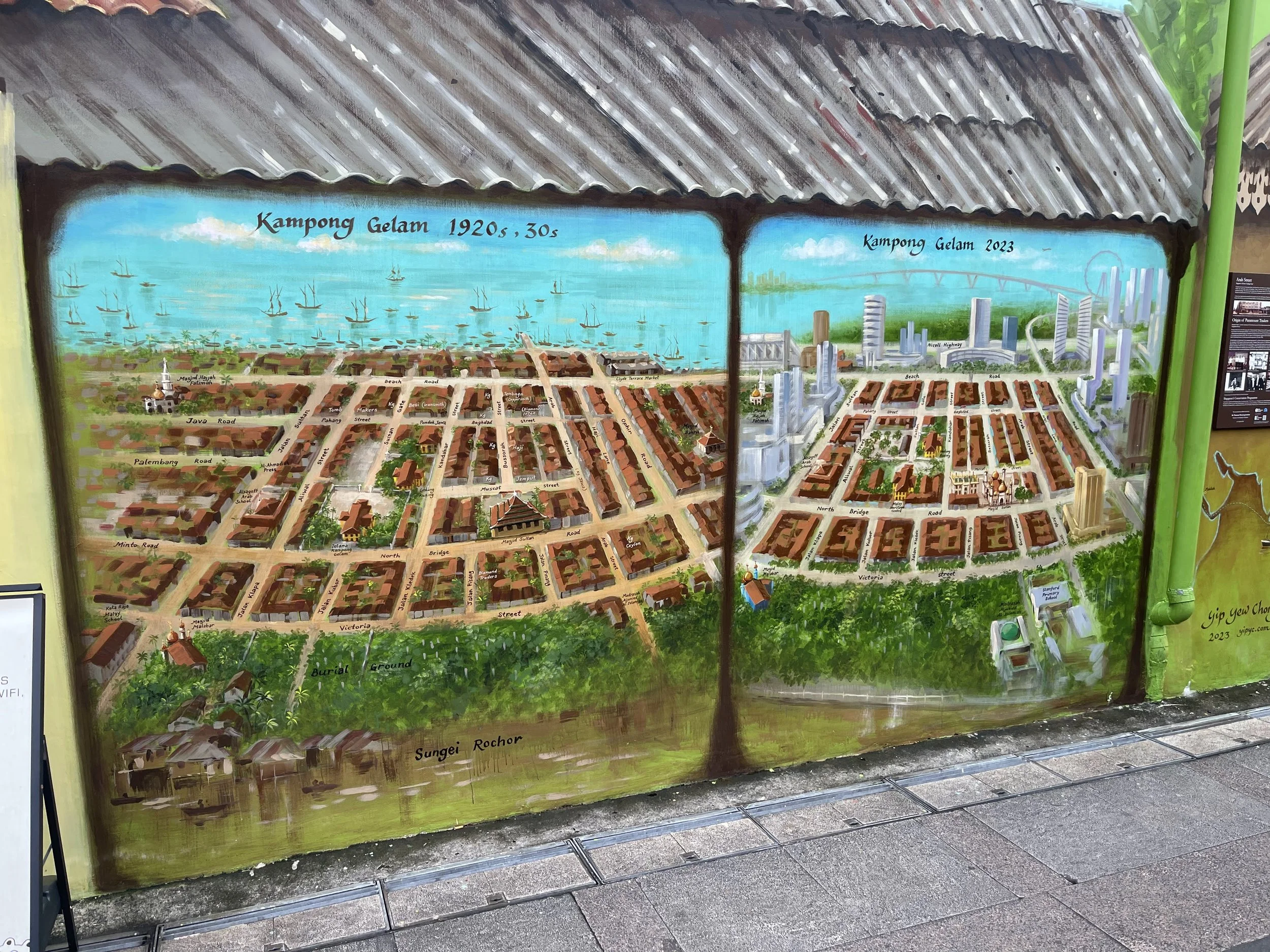
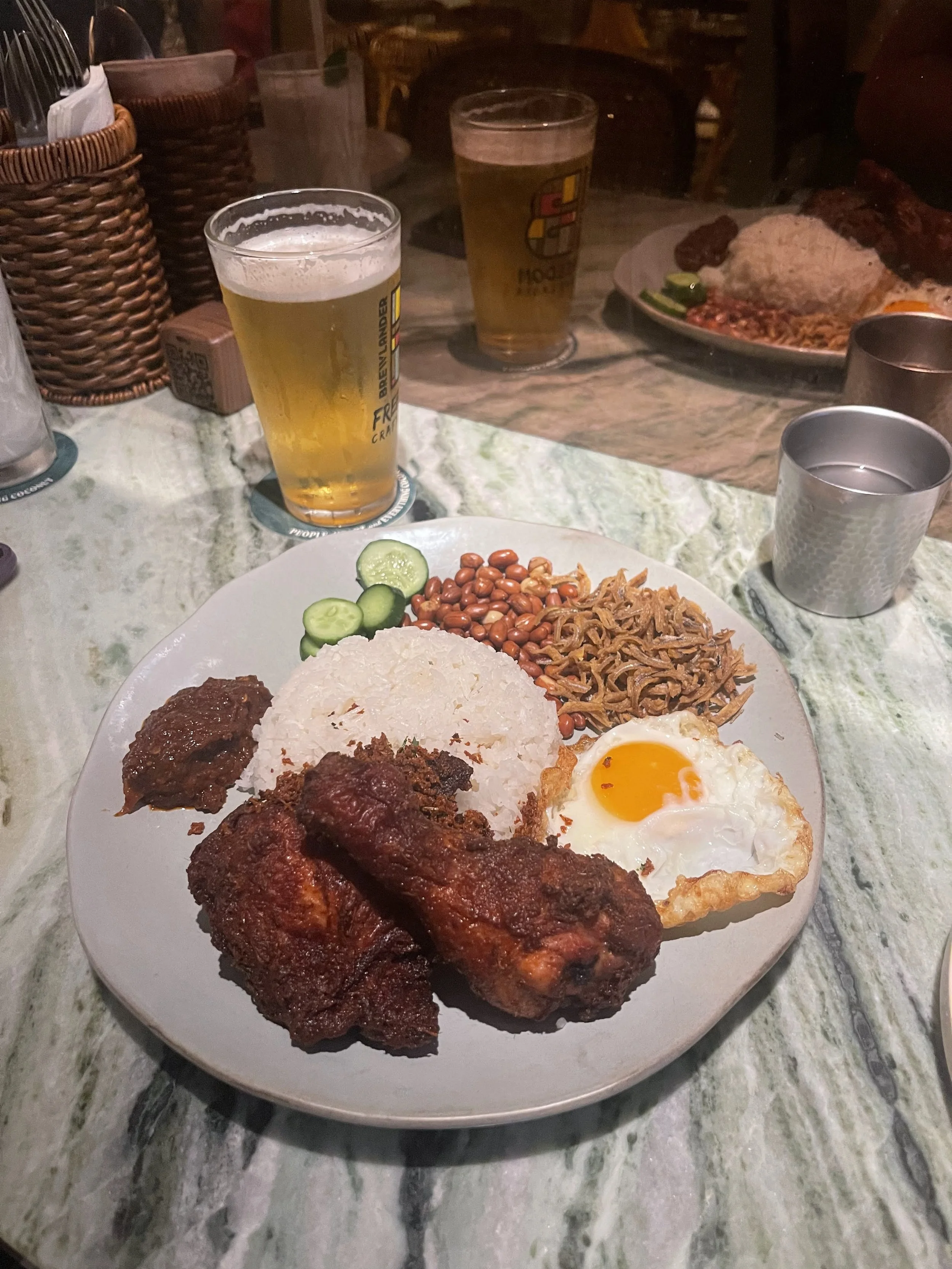
After strolling past the mosque and the colorful buildings we finally found a restaurant that would work for both of us in Coconut Club, where I got the nasi lemak with ayam goreng berempah and a pint of Brewlander lager. One beer and a full belly was enough to put me to sleep.
The next morning marked the commencement of my binge on breakfast buffets, at which I consistently indulged in the curry of the day. This time, I accompanied it with pork siu mai, prawn dumplings, and noodle soup.
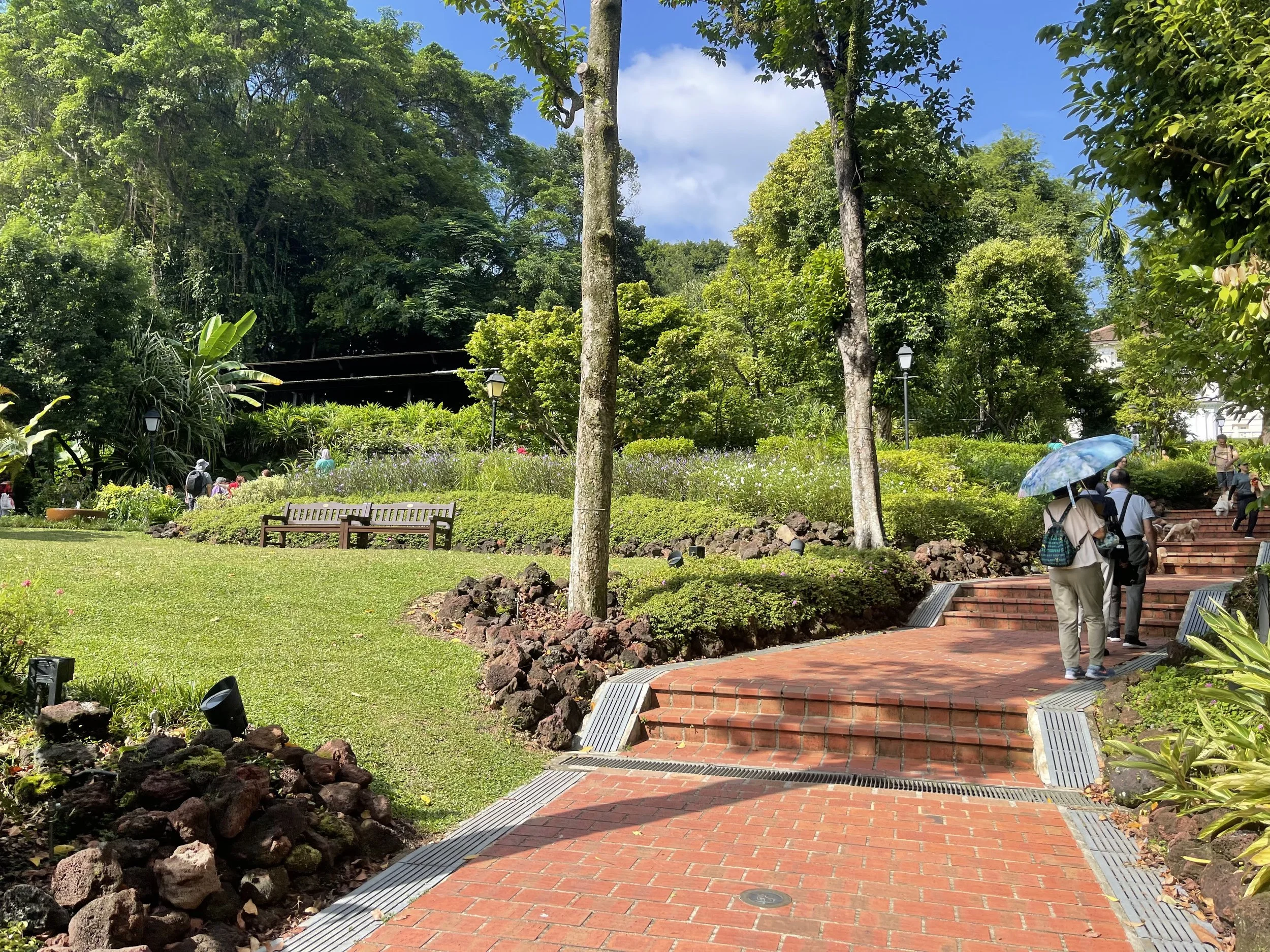
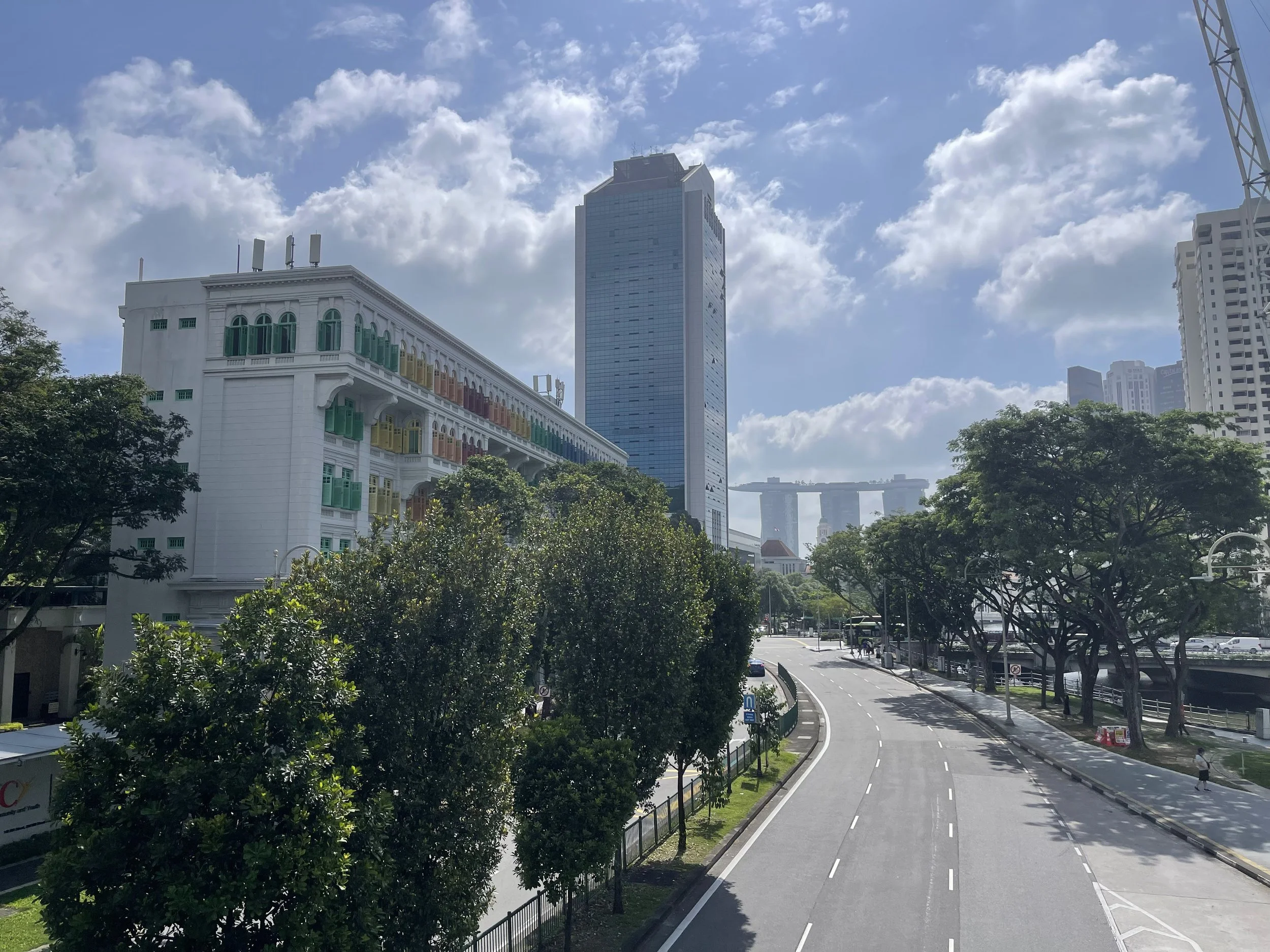
Corey rested after breakfast, ready for a pool day after our marathon trip here, so I walked by myself to the art gallery. From our hotel in Bugis I went uphill, sweating in the humidity by the time I reached Fort Canning Park. After strolling through its spice gallery and keramat, I reached a viewpoint from which I could see down to Clarke Quay, from whence I descended to the edge of the river, walking along its bank whilst admiring the opposite bank’s contrast between the small kampong-style buildings in the foreground and tall skyscrapers in the background. Time to walk inland, I passed a statue of Hồ Chí Minh and a bunch of colonial-style architecture before arriving at the National Gallery.
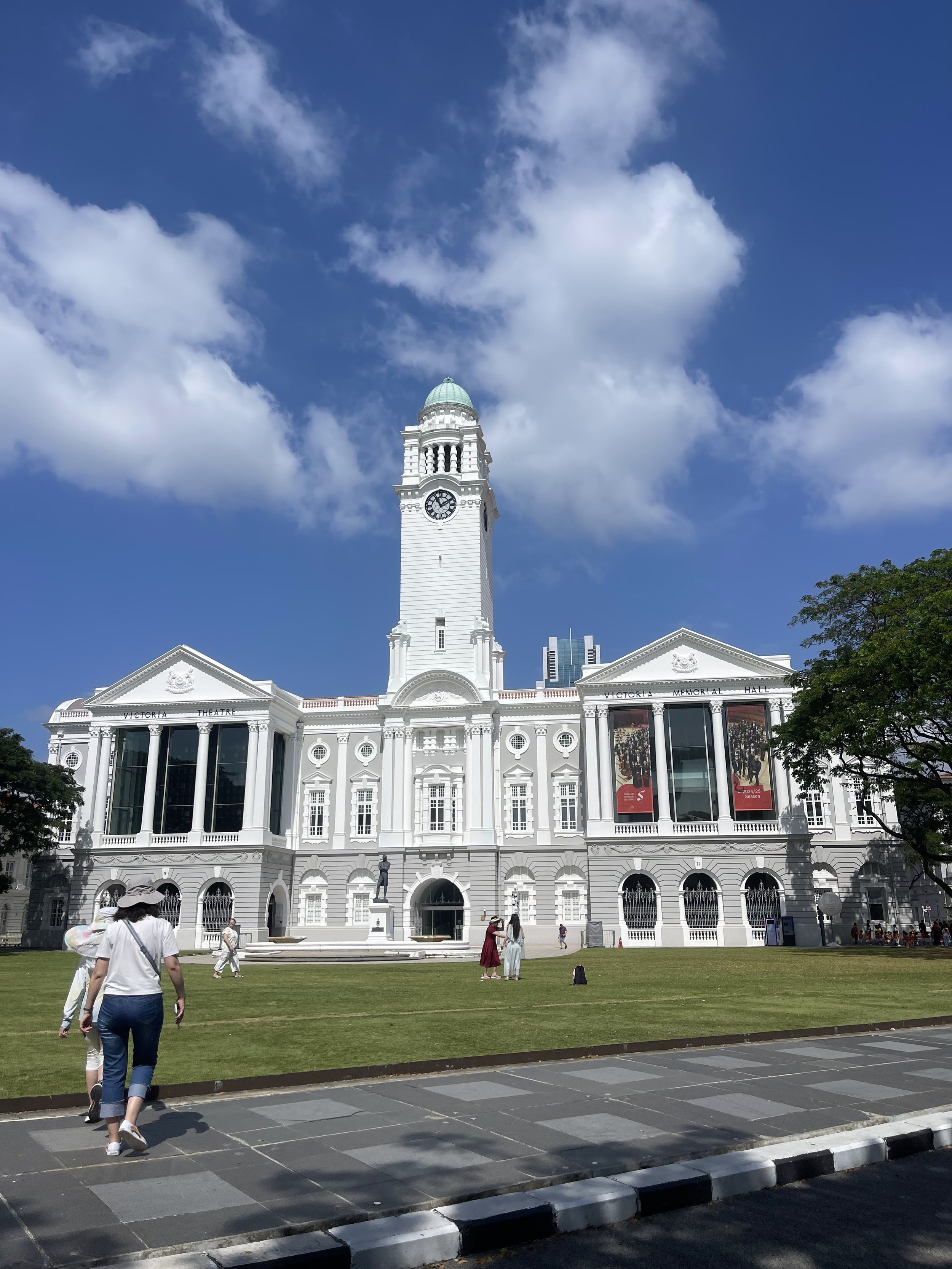
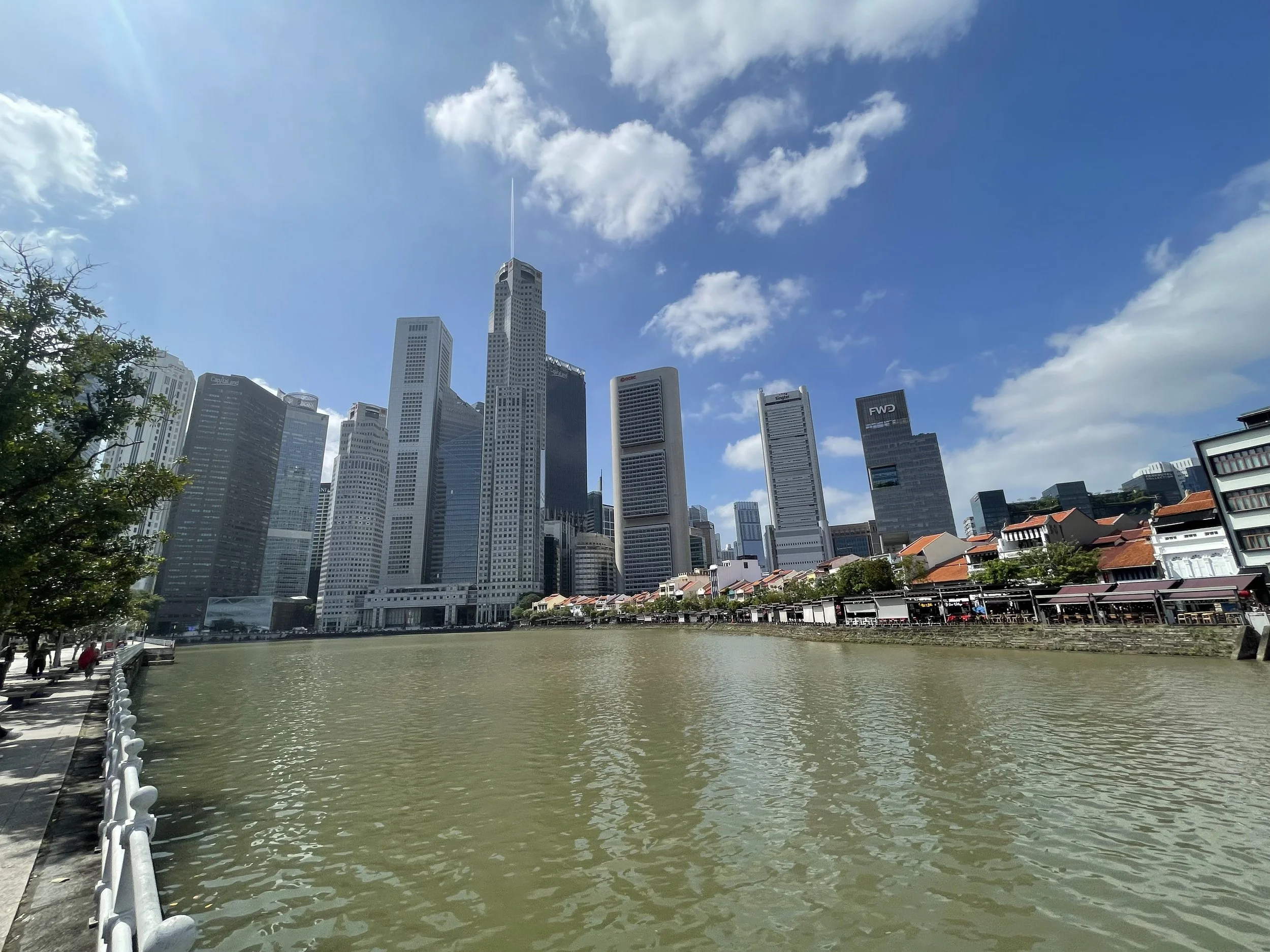
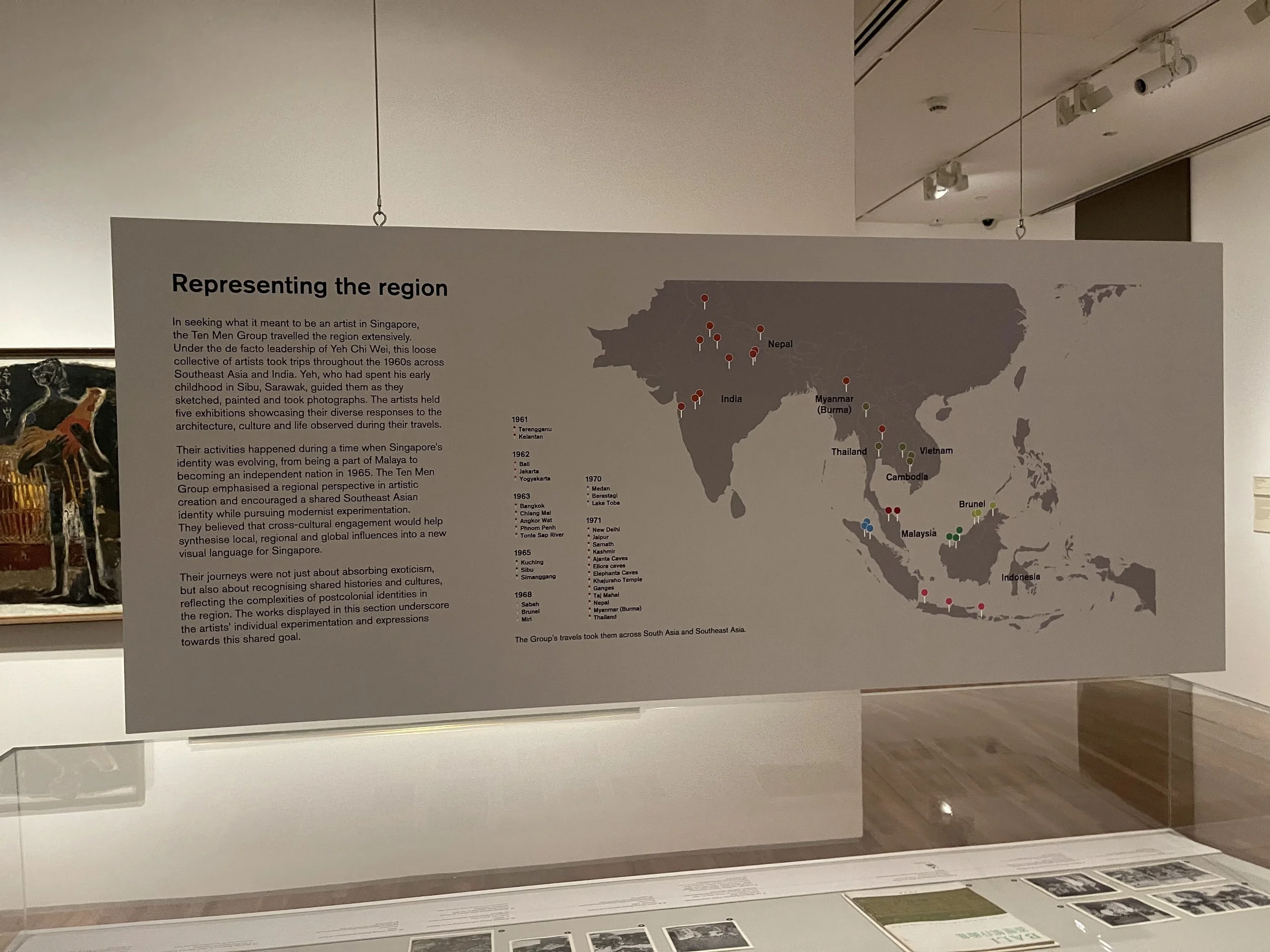
The Singapore National Gallery would be limited if its eponymous city-state were its only source of talent & inspiration; rather, it contains plenty of art from around the entire region, for instance the contemporary paintings which had qualified as finalists for the 2024 UOB Southeast Asian Painting of the Year Award. Or take the Ten Men Group: Singaporean artists who traveled across Southeast Asia and India to find inspiration, believing that “cross-cultural engagement would help synthesize local, regional and global influences into a new visual language for Singapore.” Given Singapore's journey from fishing village to British colony to Japanese-occupied territory to part of Malaysia to independent city-state, they had plenty to synthesize.
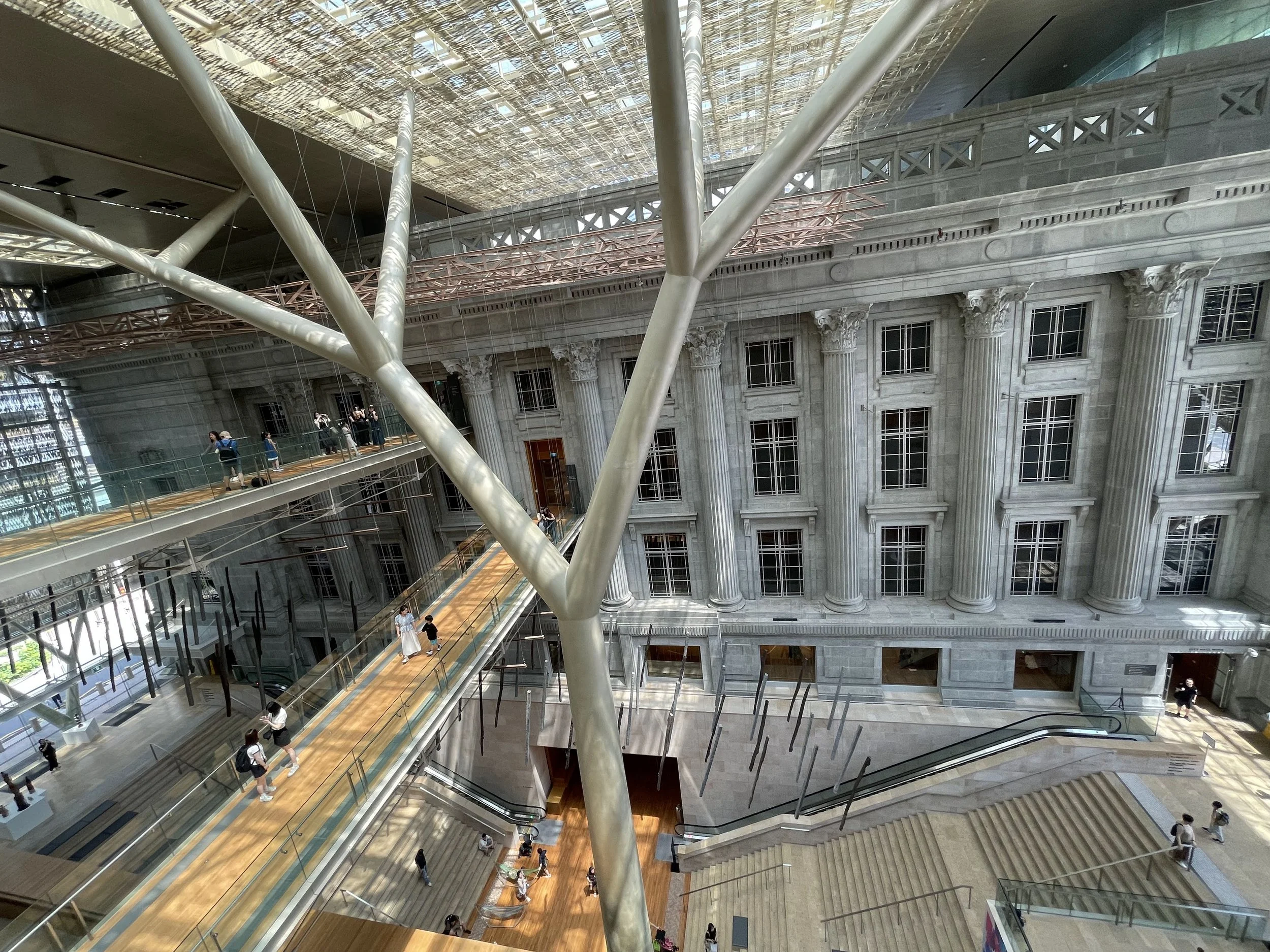
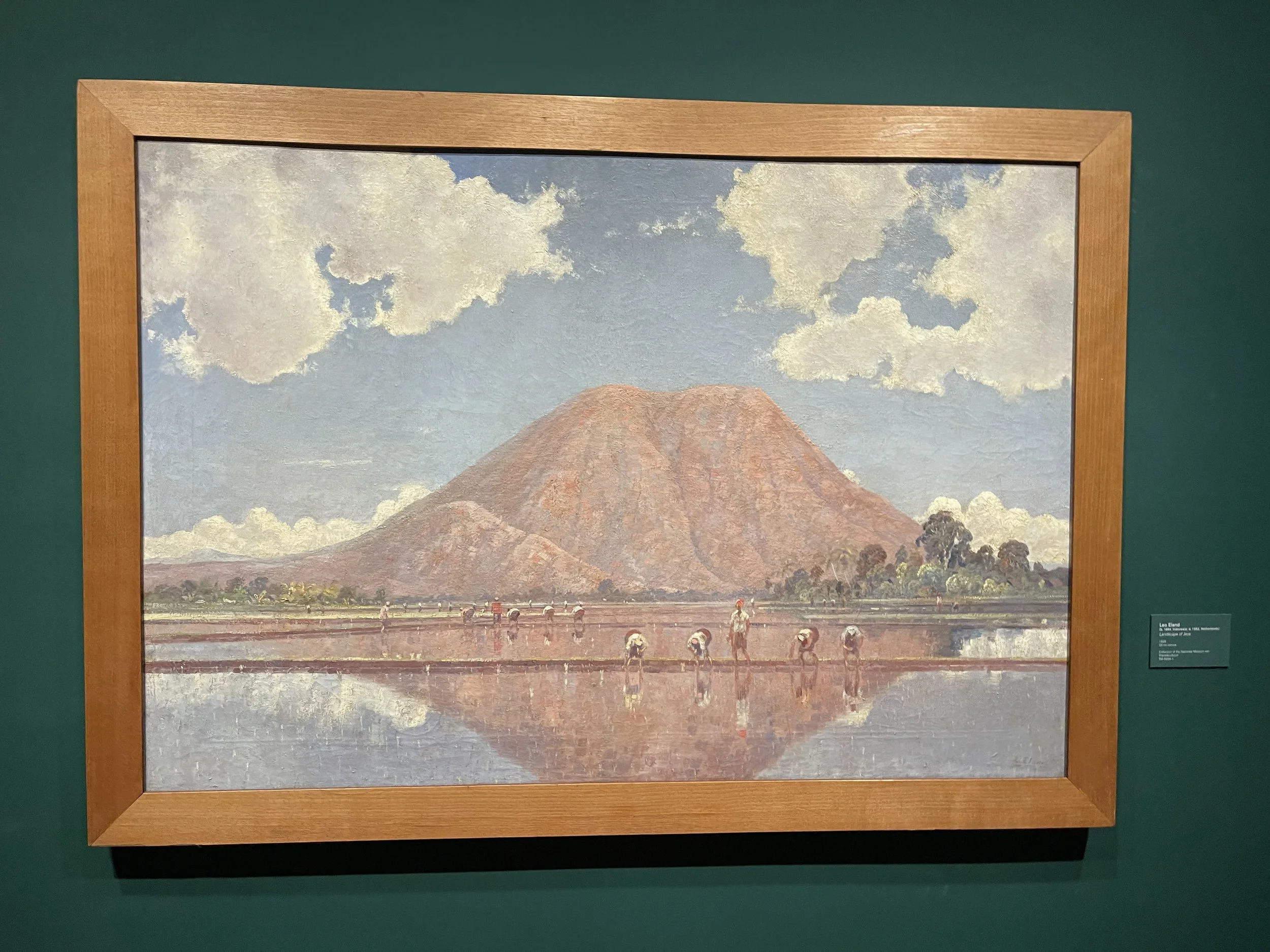
The museum gave a feel for the region’s pastoral scenery and daily life. Despite being in air-conditioned rooms, I felt transported out into the rice paddies at sunset in one moment, and then into a jungle village scene the next.
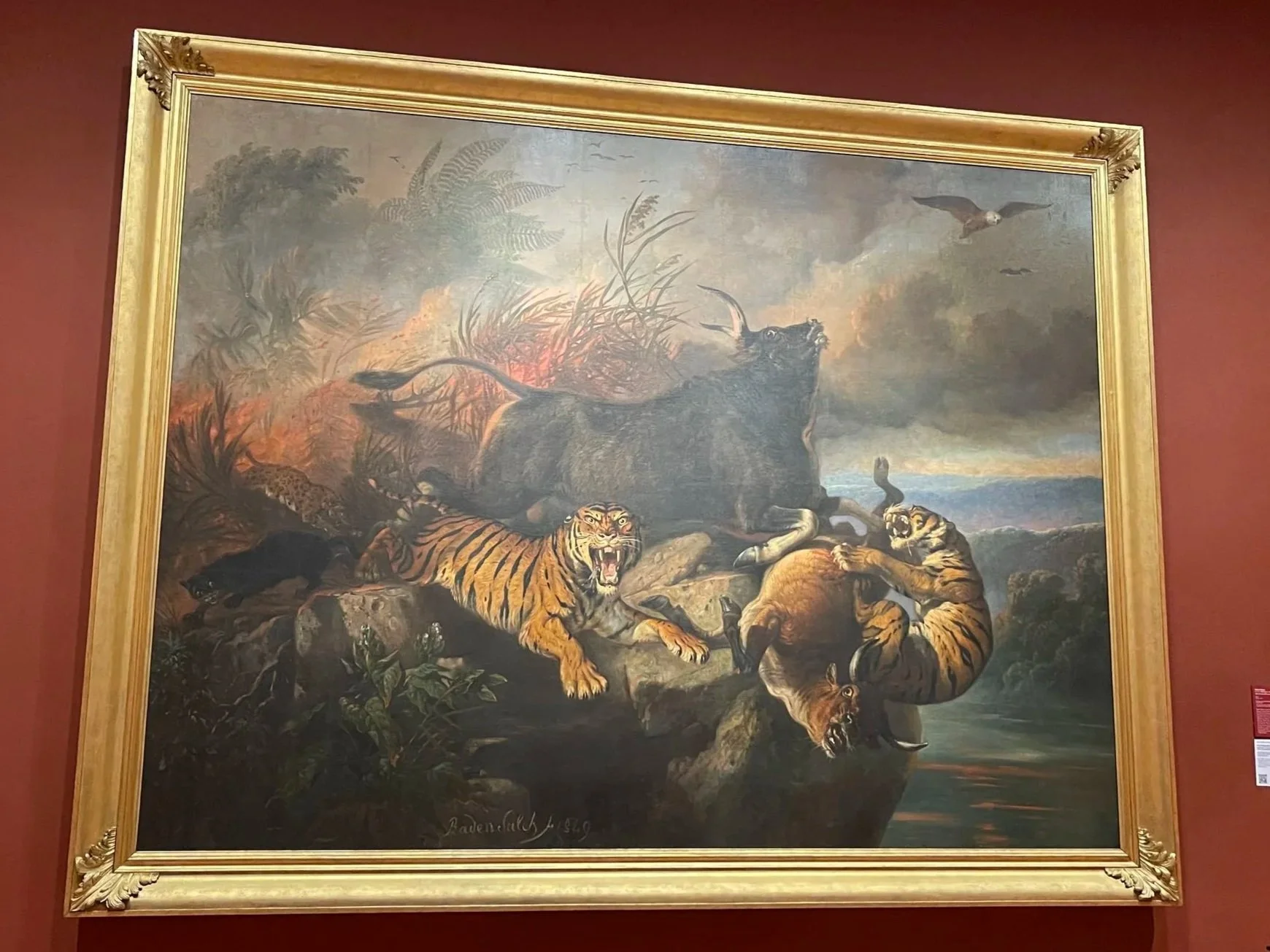
Boschbrand stopped me where I stood upon seeing it. It took up nearly the whole wall, and the expressions of its animals looked almost human, with the exception of the main tiger breaking the fourth wall.
Bima Rescuing His Parents, which depicts a hero’s journey into the underworld, belonged alongside European classics such as William Bouguereau’s Dante et Virgile in the Musee d’Orsay and Hieronymus Bosch's The Garden of Earthly Delights in the Prado.
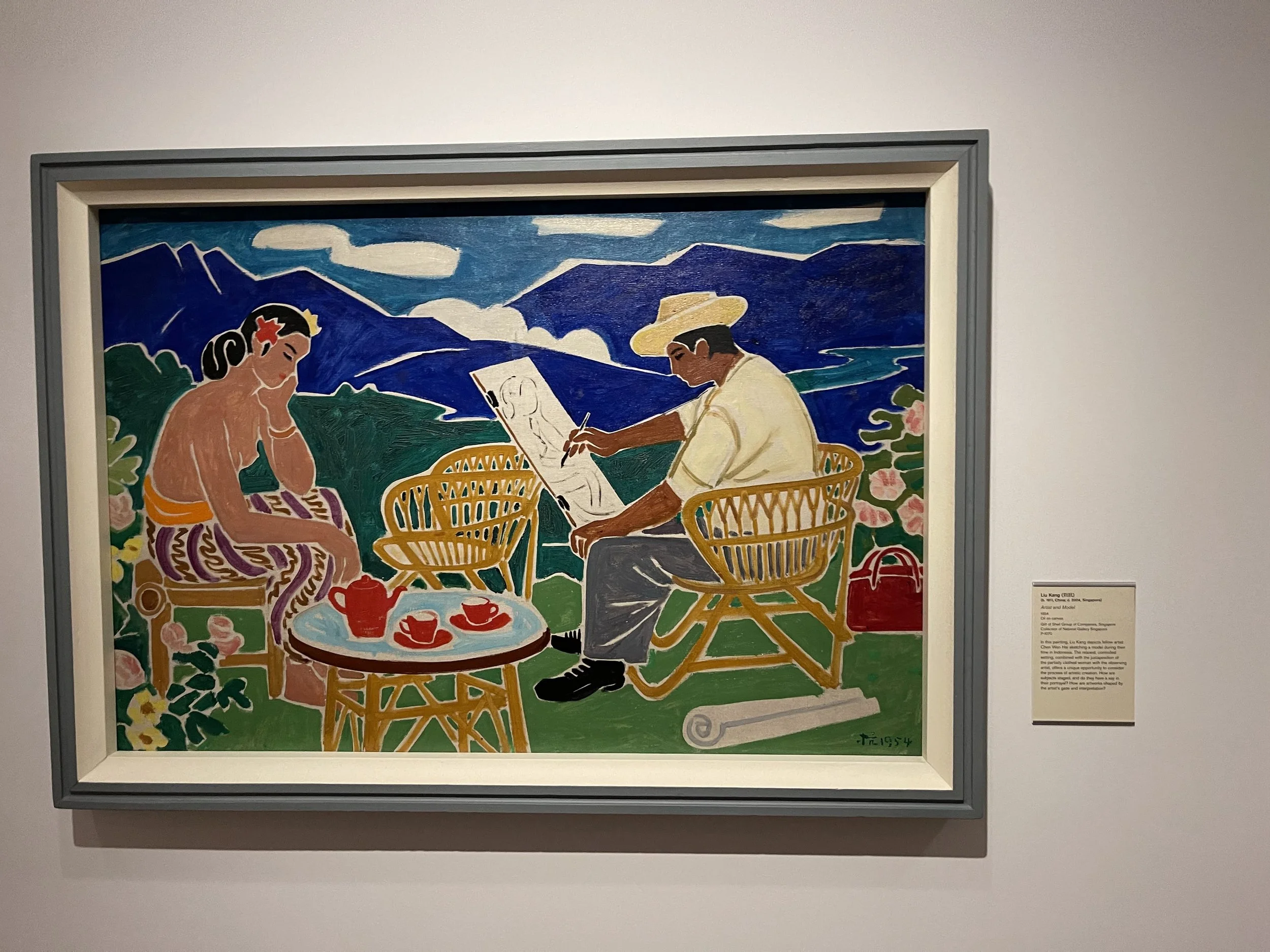
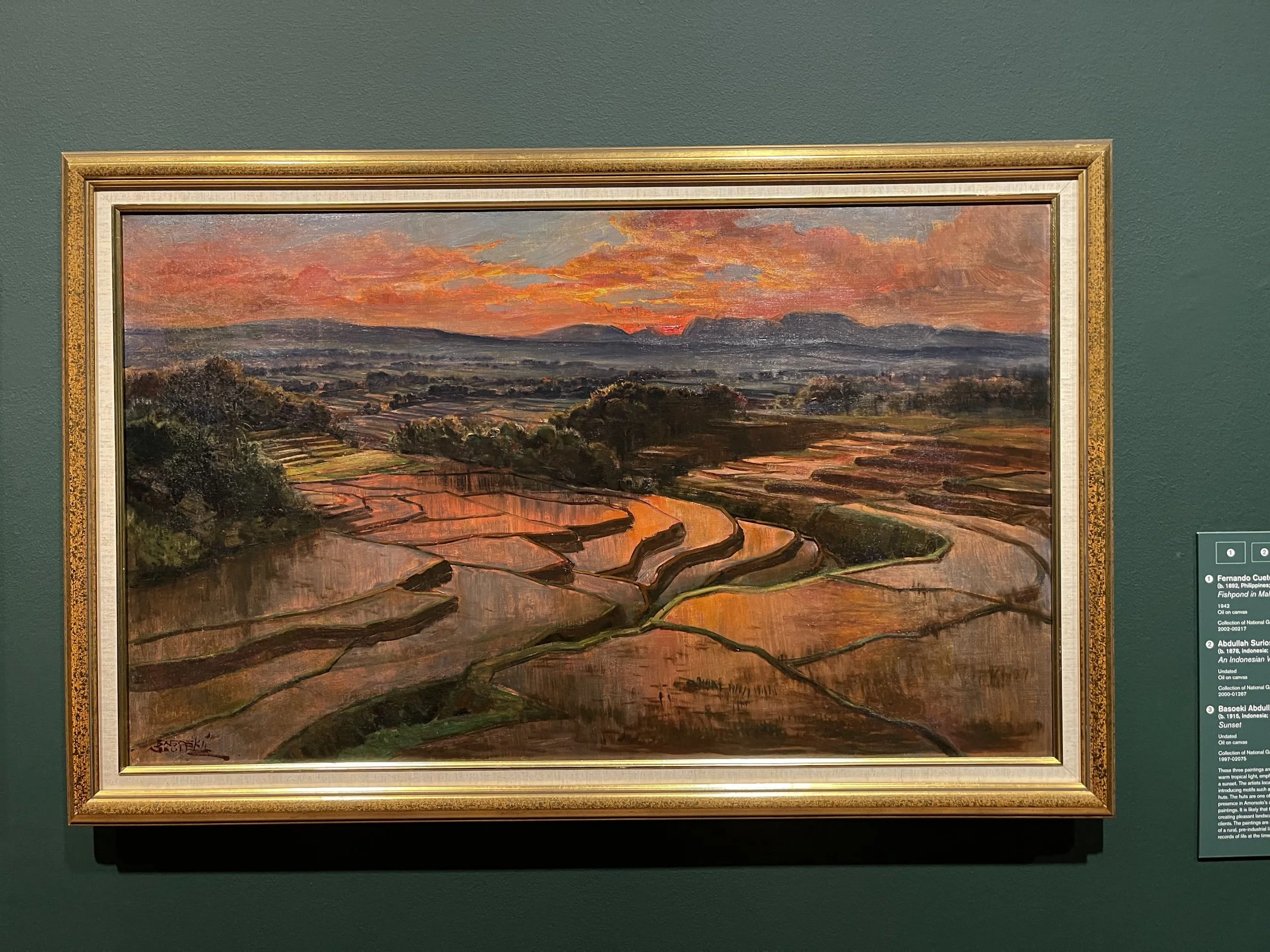
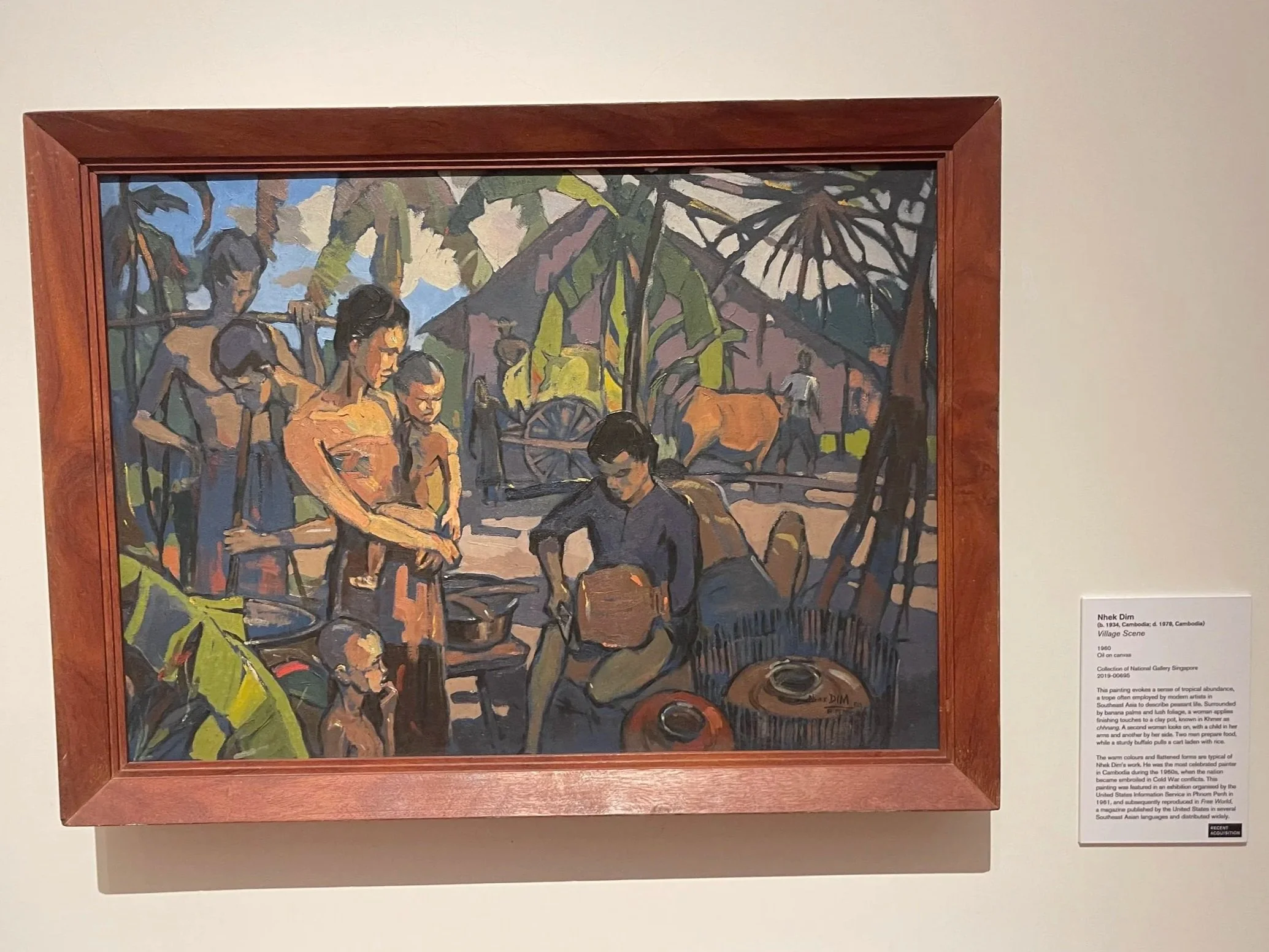
From the museum terrace, I could see a soccer field and past it, the ultra-modern structures of Marina Bay. To see the same field as it looked 175 years ago, all you have to do is walk downstairs to the oil painting The Esplanade from Scandal Point, so named for all the gossiping that went on there back in the colonial era, at least according to the museum attendant who walked over to me, excitedly recounting the history of that field (or “Padang”). Back then it bordered the sea, but today it’s surrounded by “reclaimed” land, accomplished by the massive projects highlighted in Heng’s novel which transformed Singapore from a string of fishing villages into a mecca of modernity. And even with over 25% of its land today being artificial they’re still not done!
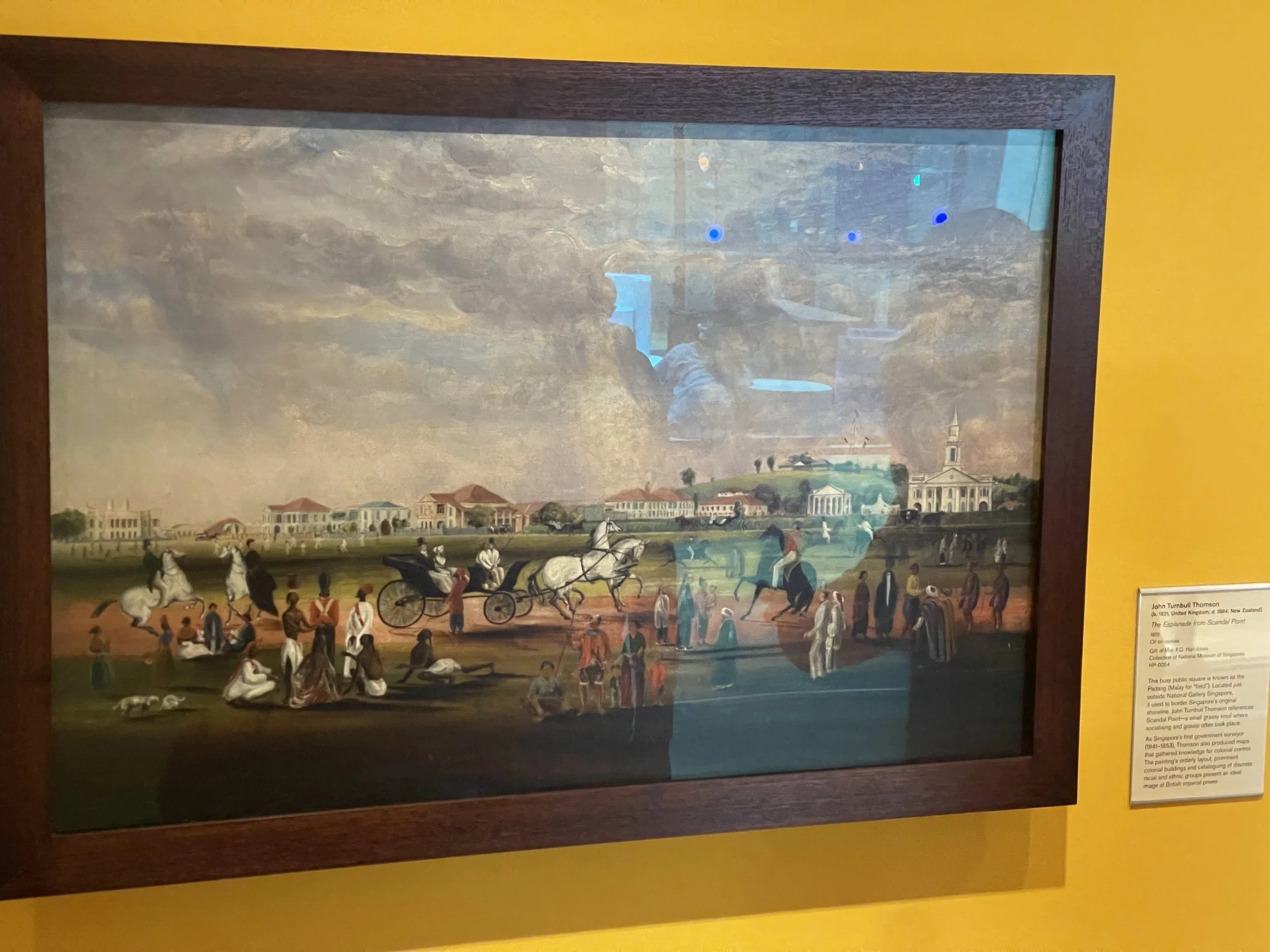
Padang circa 1851
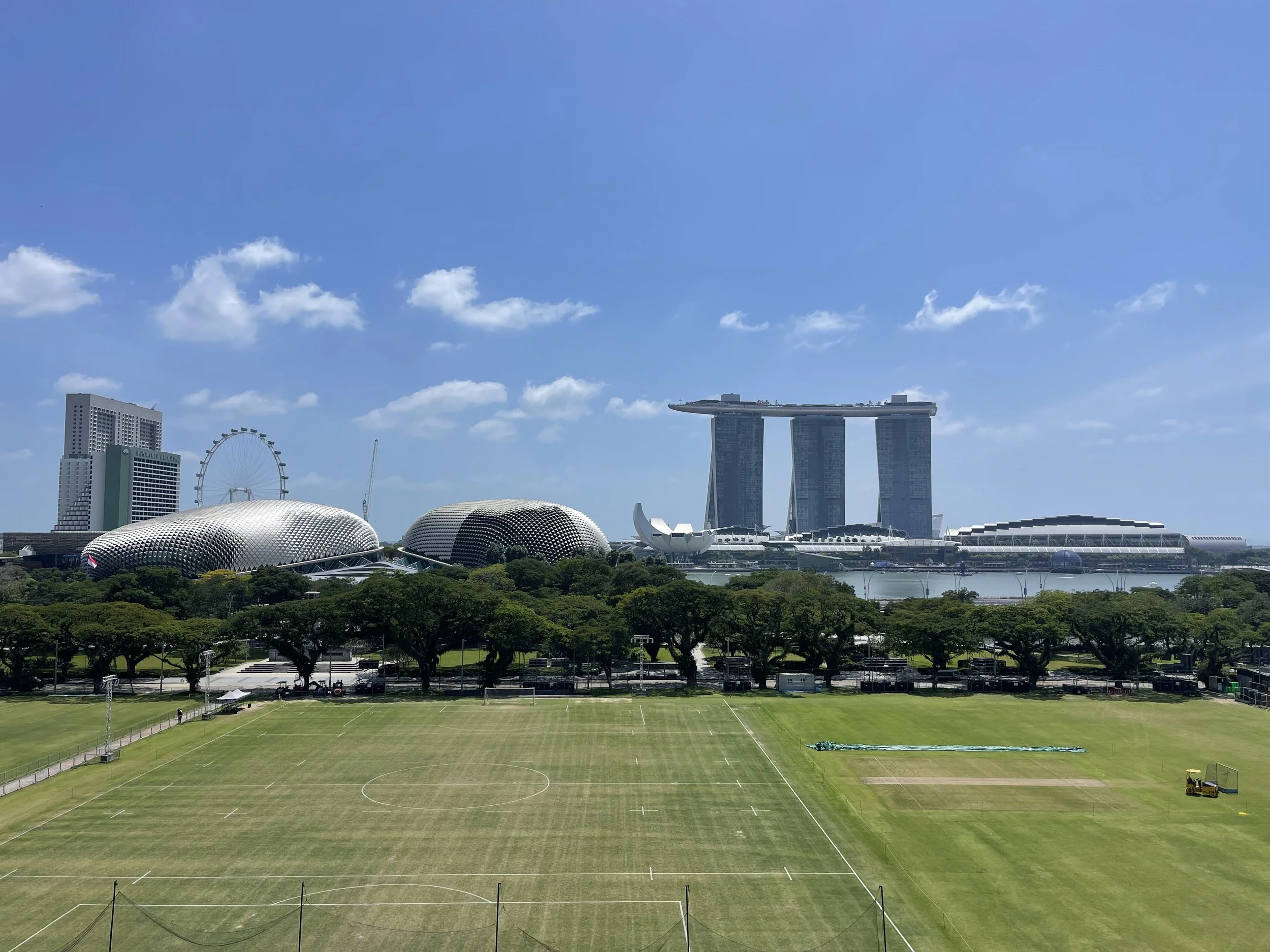
Padang circa 2025
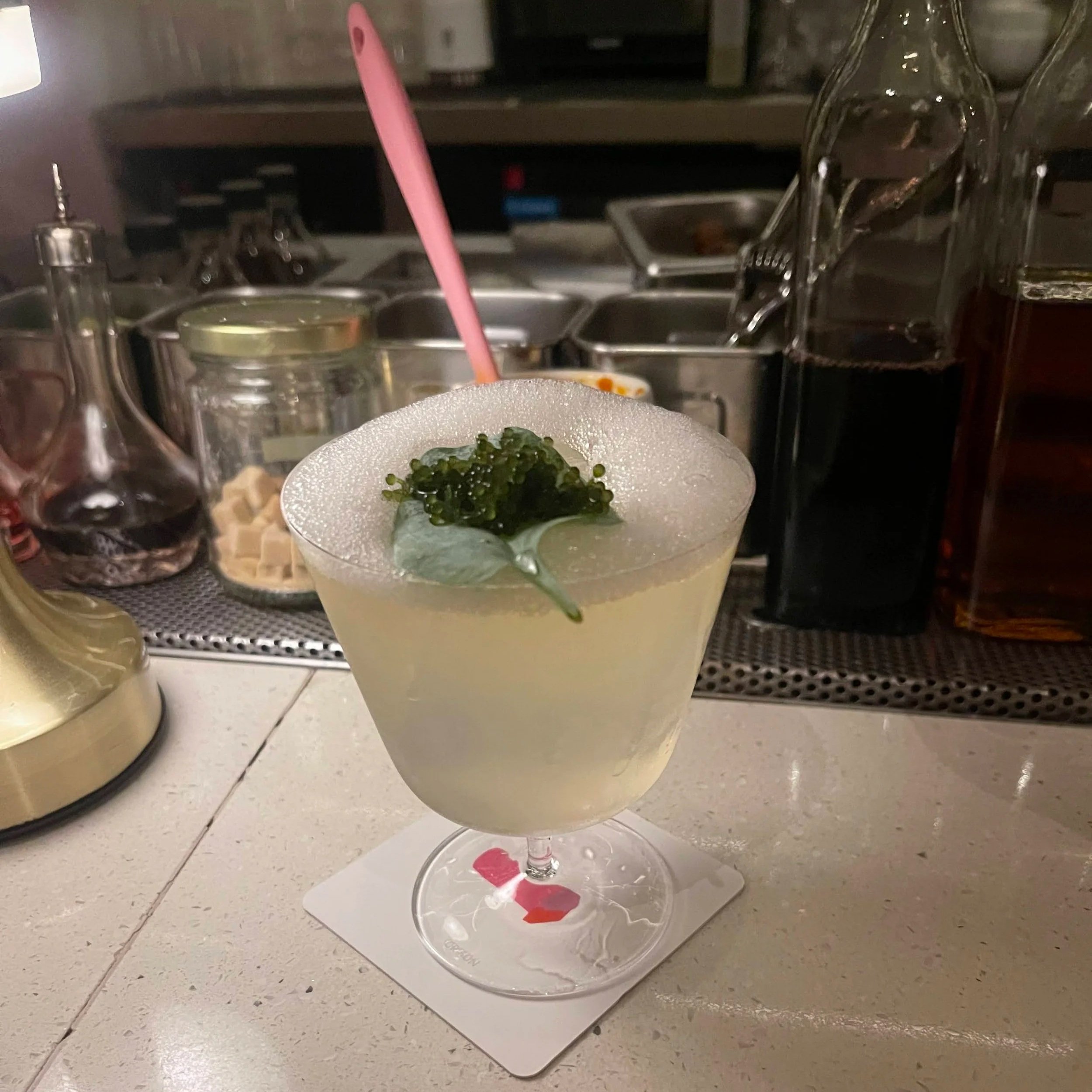
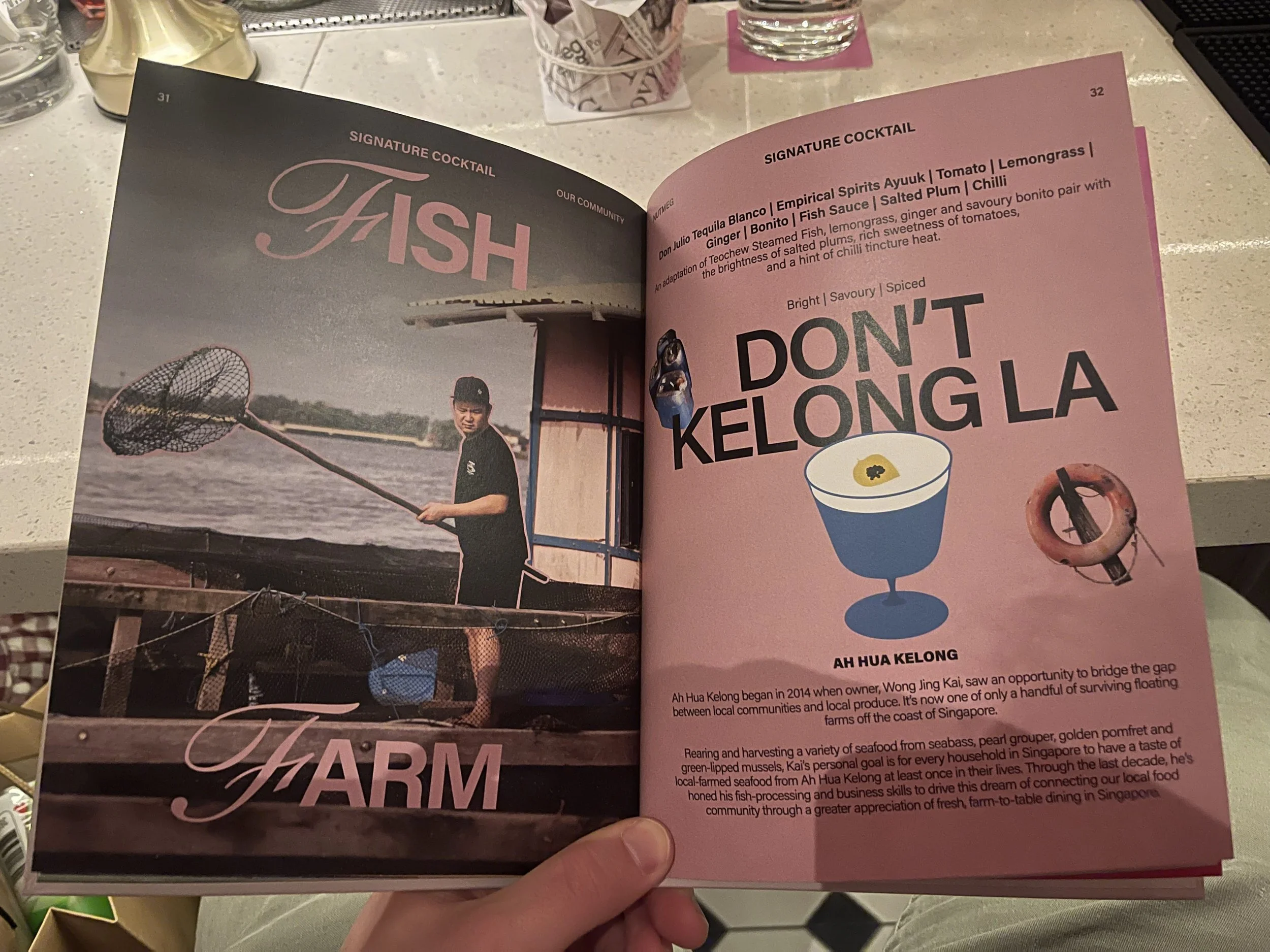
True to the Singapore of today, the painting represents not just Brits but a diverse group. I learned more later at Nutmeg & Clove from an American expat who lives in London. Over the Don’t Kelong La – a Fish-Farm-inspired cocktail, which both tasted and smelled the part – the conversation turned from her work trip to Kuala Lumpur to the caste system. “The ethnic Chinese are on top, then Malay, followed by the Indians and finally the Arabs. You never see Chinese laborers here… and then there’s the British influence permeating everything. It’s weird.” At least that night, the bar’s clientele mirrored her comments, as most of the patrons were ethnically East Asian or white.
Back in the humid afternoon after I finished up at the museum, I found a hawker stall inside a nearby mall where I scarfed down some soy sauce chicken rice, complete with bok-choi-style veggies and a maize & carrot soup. Stomach full, I met back up with Corey at the hotel’s pool, where apparently I’d missed quite a bit of action.
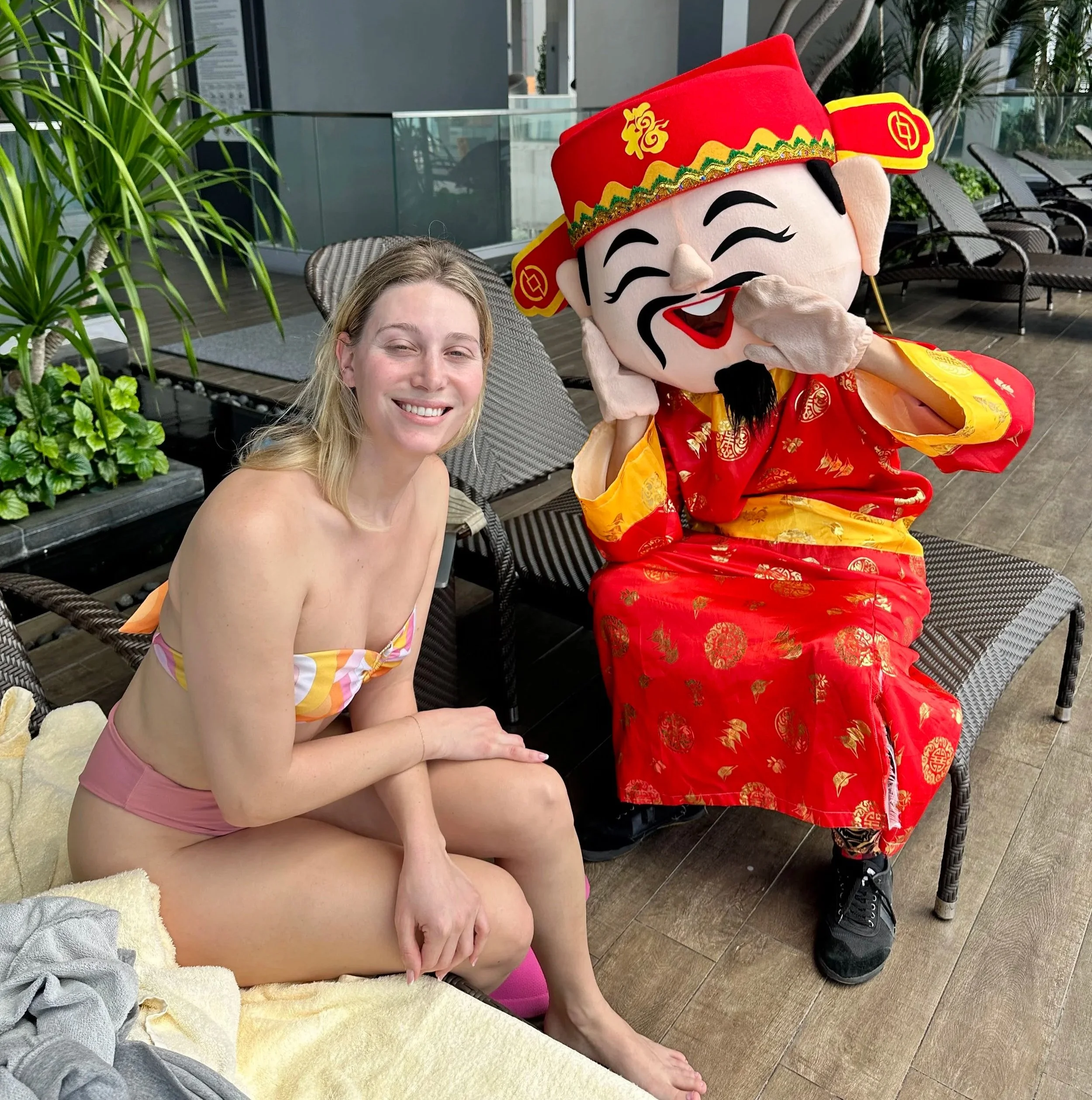
“Lyle, so I’m just sitting here by the pool working on my script when all of a sudden this whole procession of characters dressed for Chinese New Year’s walk out of the elevator! There was like no one else up here and they came over and kept asking me to take selfies with them!”
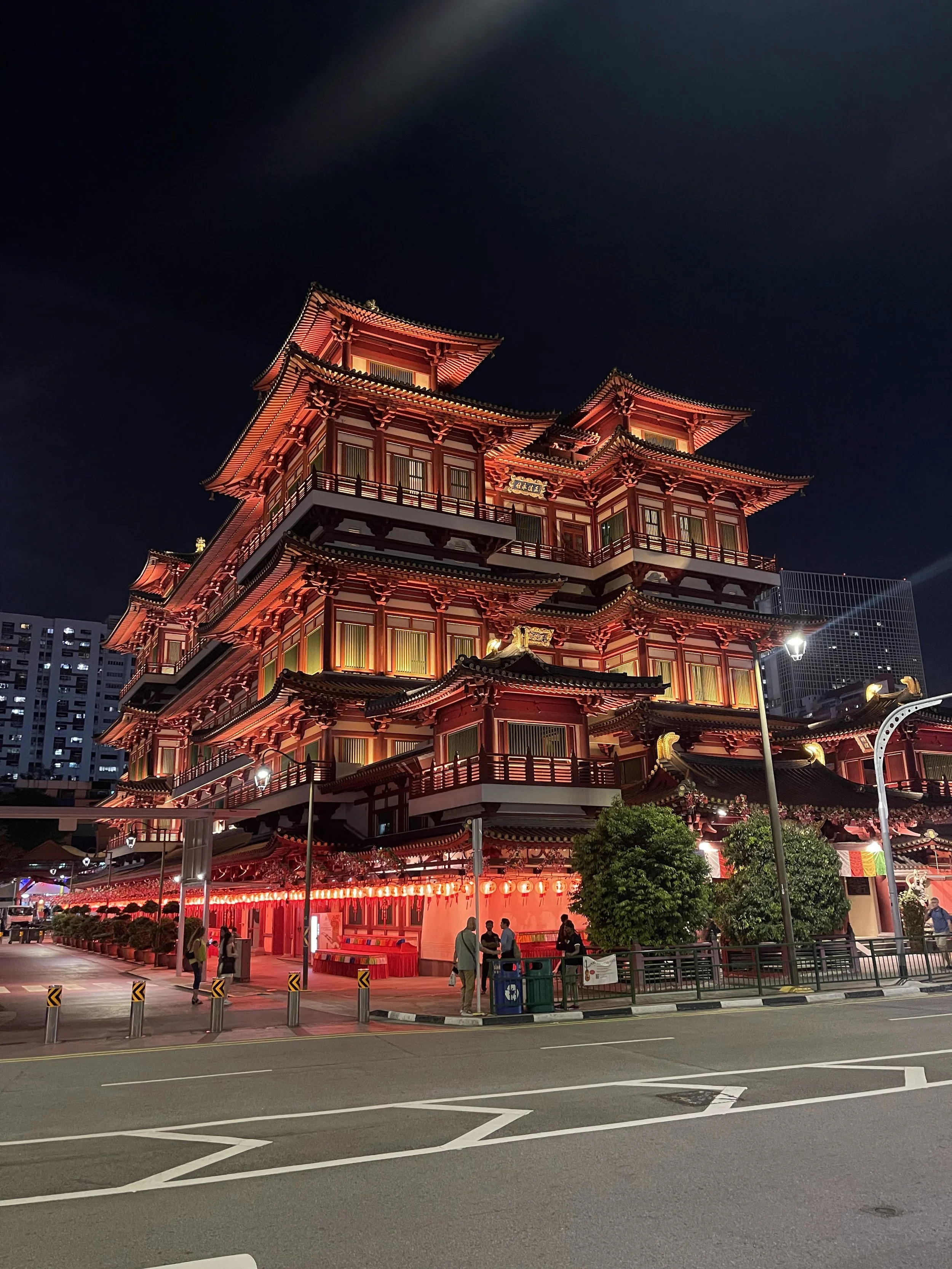
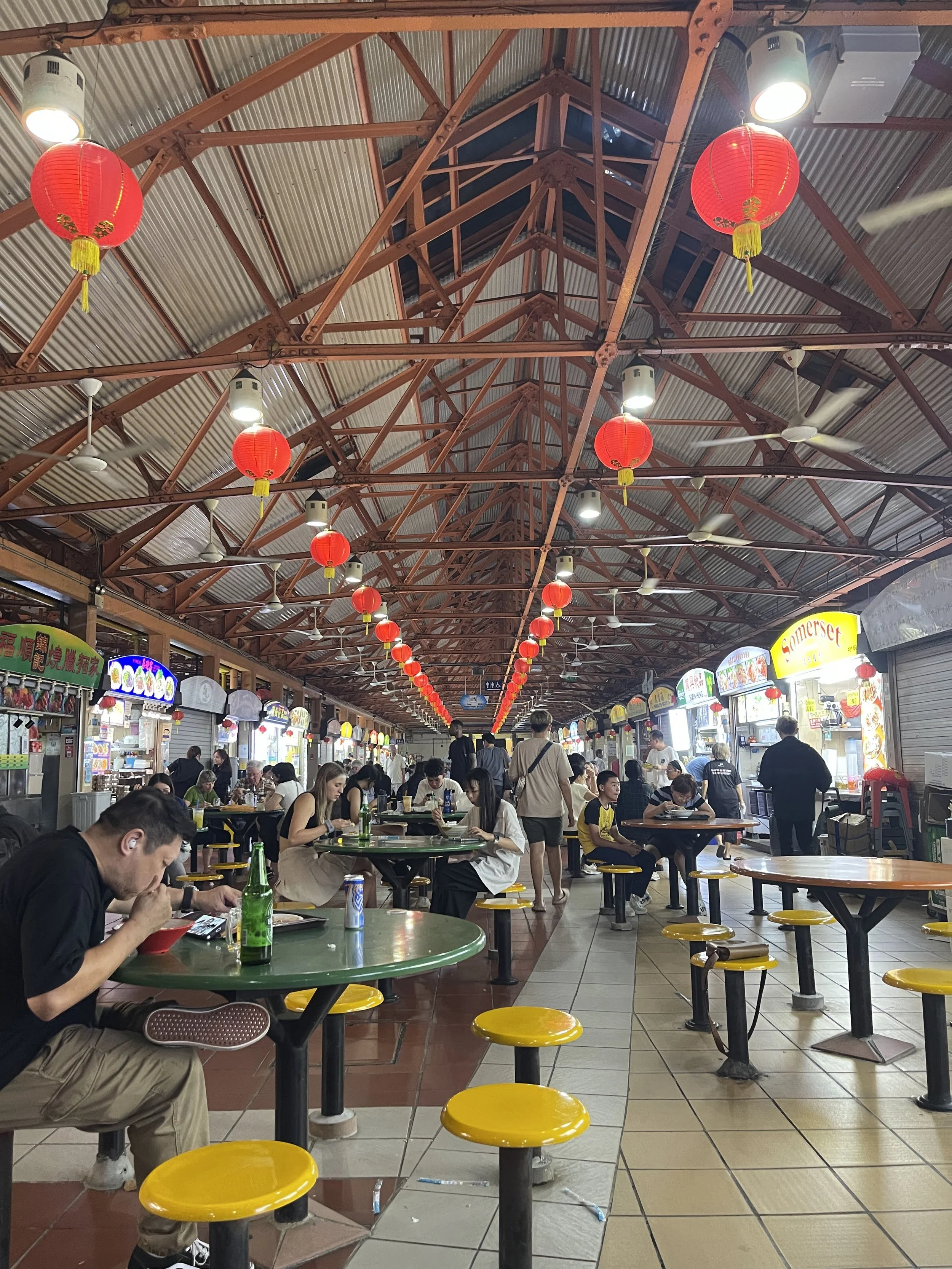
After resting up, we went across town for drinks at Jigger & Pony, where I sampled their Nuclear Daiquiri, Pony Martini, and of course the Singa Sling. Afterwards we walked through Chinatown and dined across from the Buddha Tooth Relic Temple at the Maxwell Food Centre, where I dug into roasted duck char siew noodle and a large local beer.
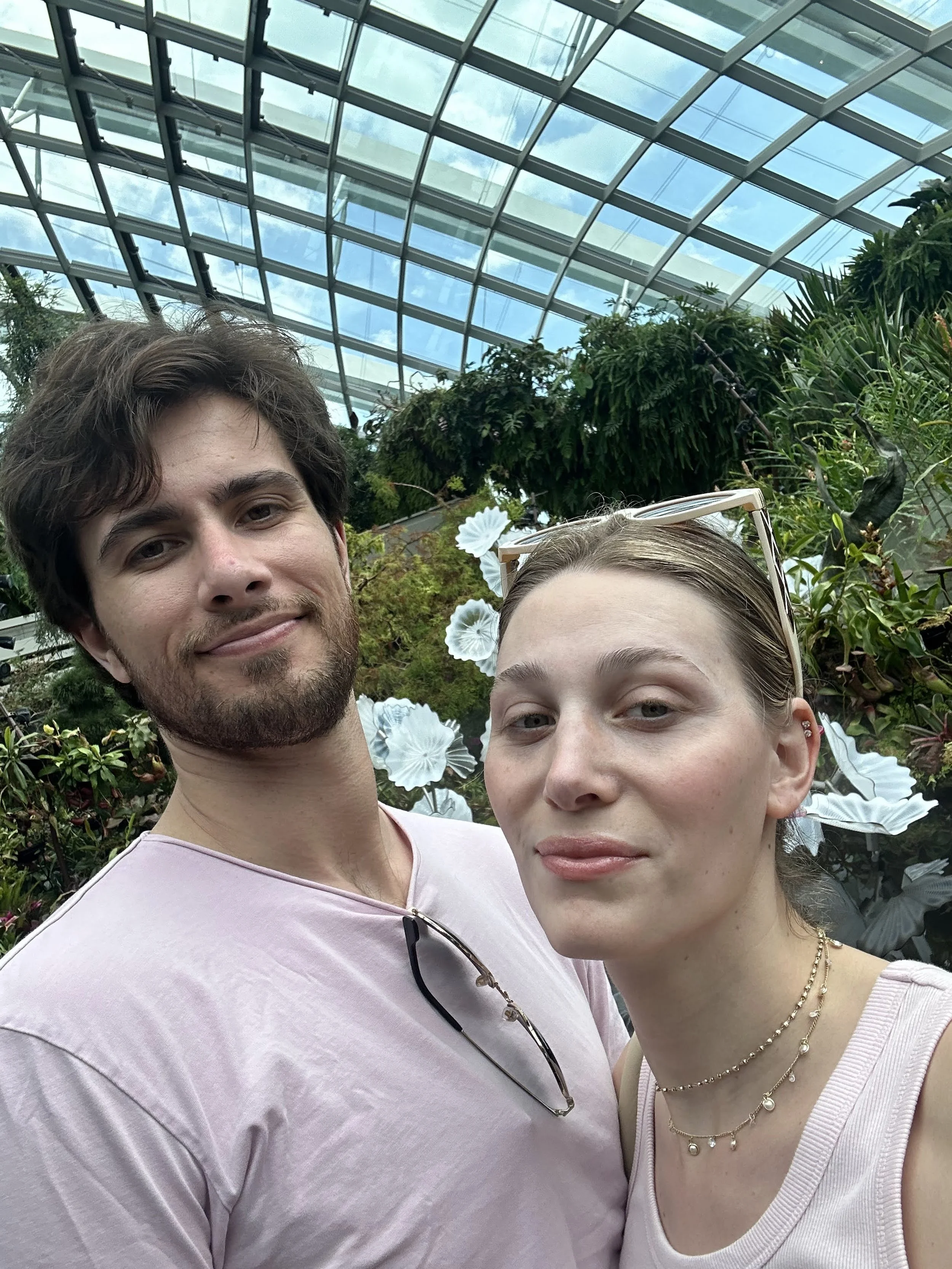
The next morning, Corey & I went together to the Gardens by the Bay, walking past the trunks of its Supertrees and then up to its branches from which they collect sunlight to provide energy to the rest of the facility. From up there we could see fleets of the ships that have powered Singapore’s economy for so many years as a middleman for global trade.
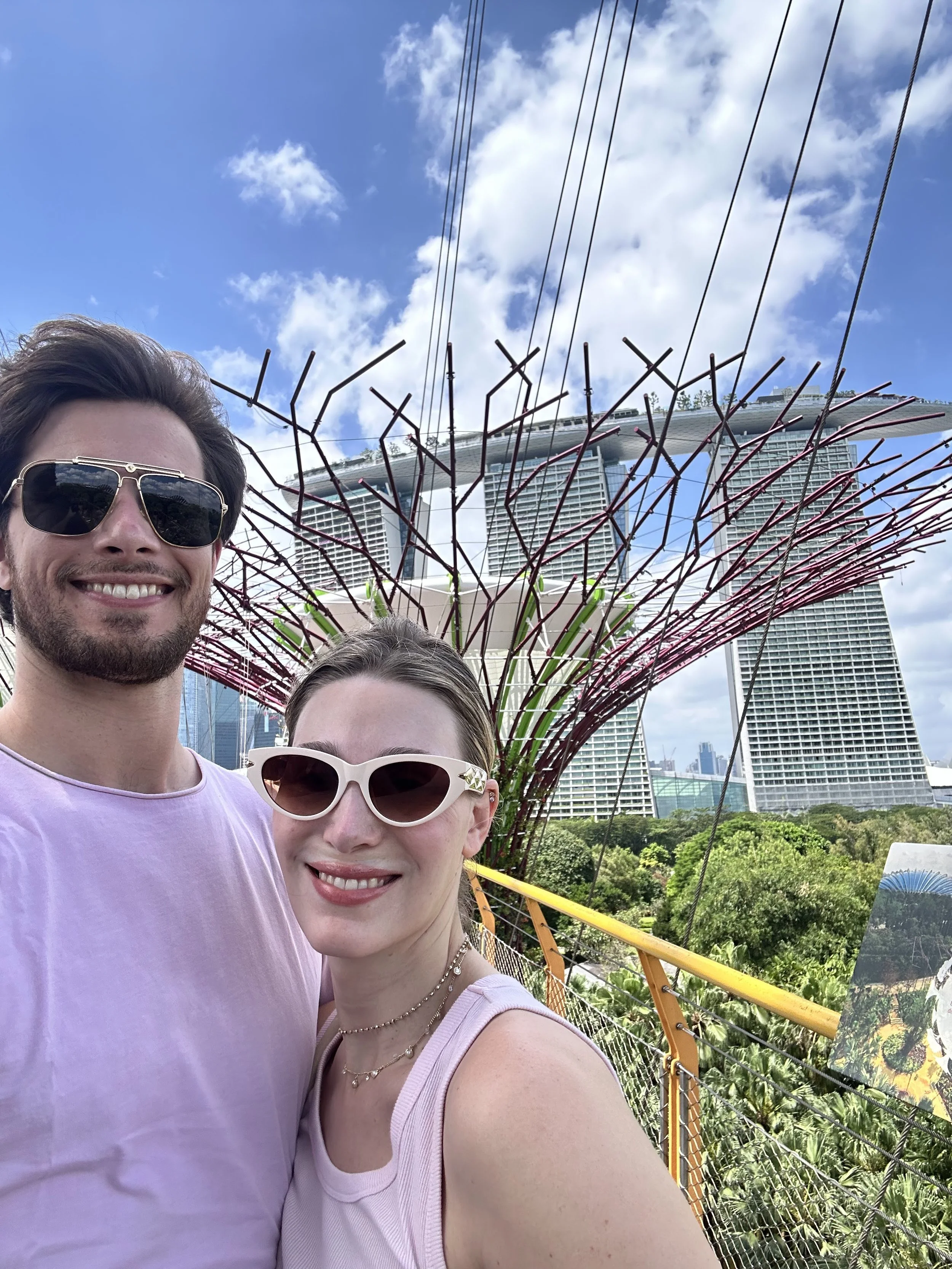
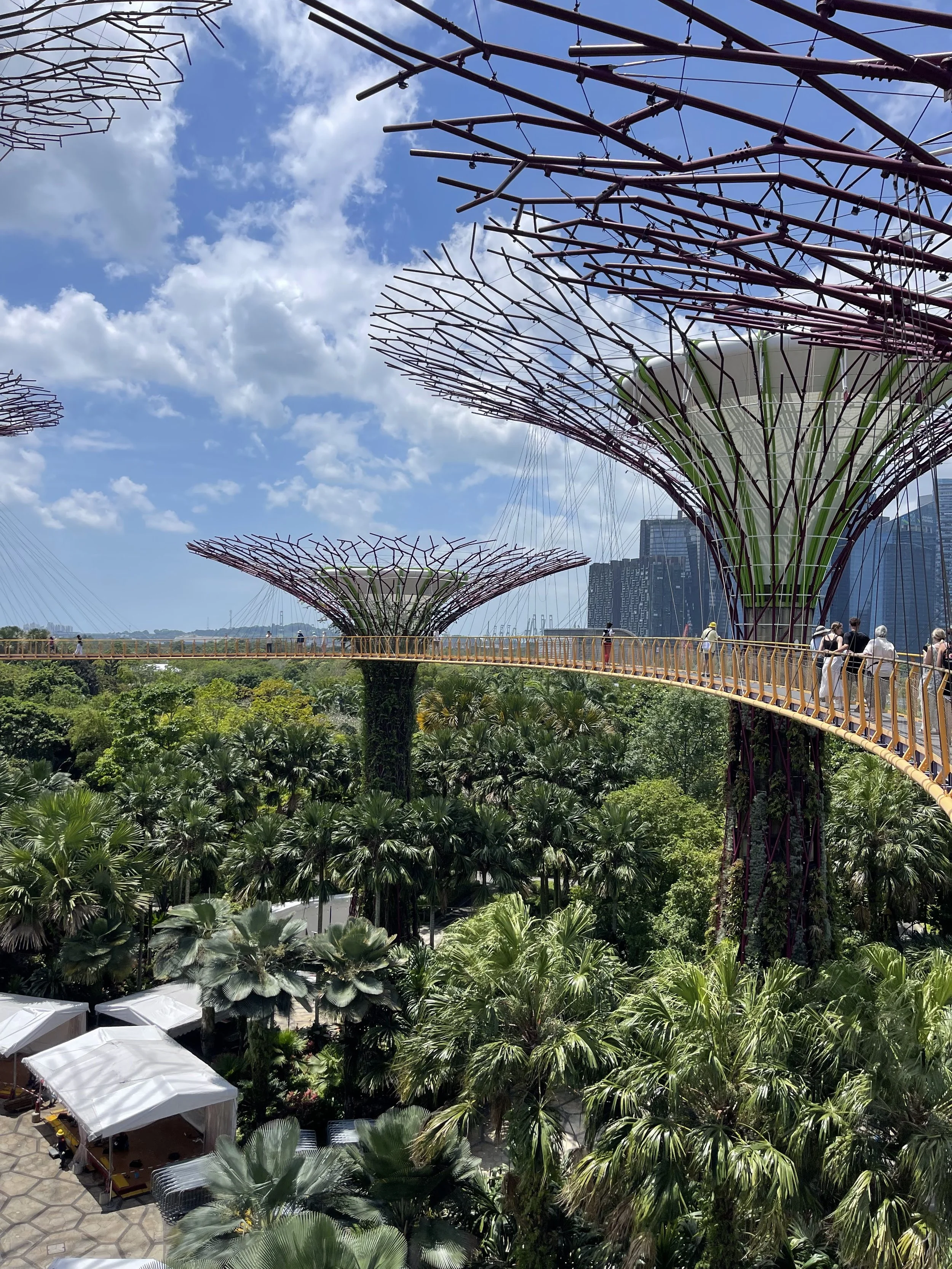
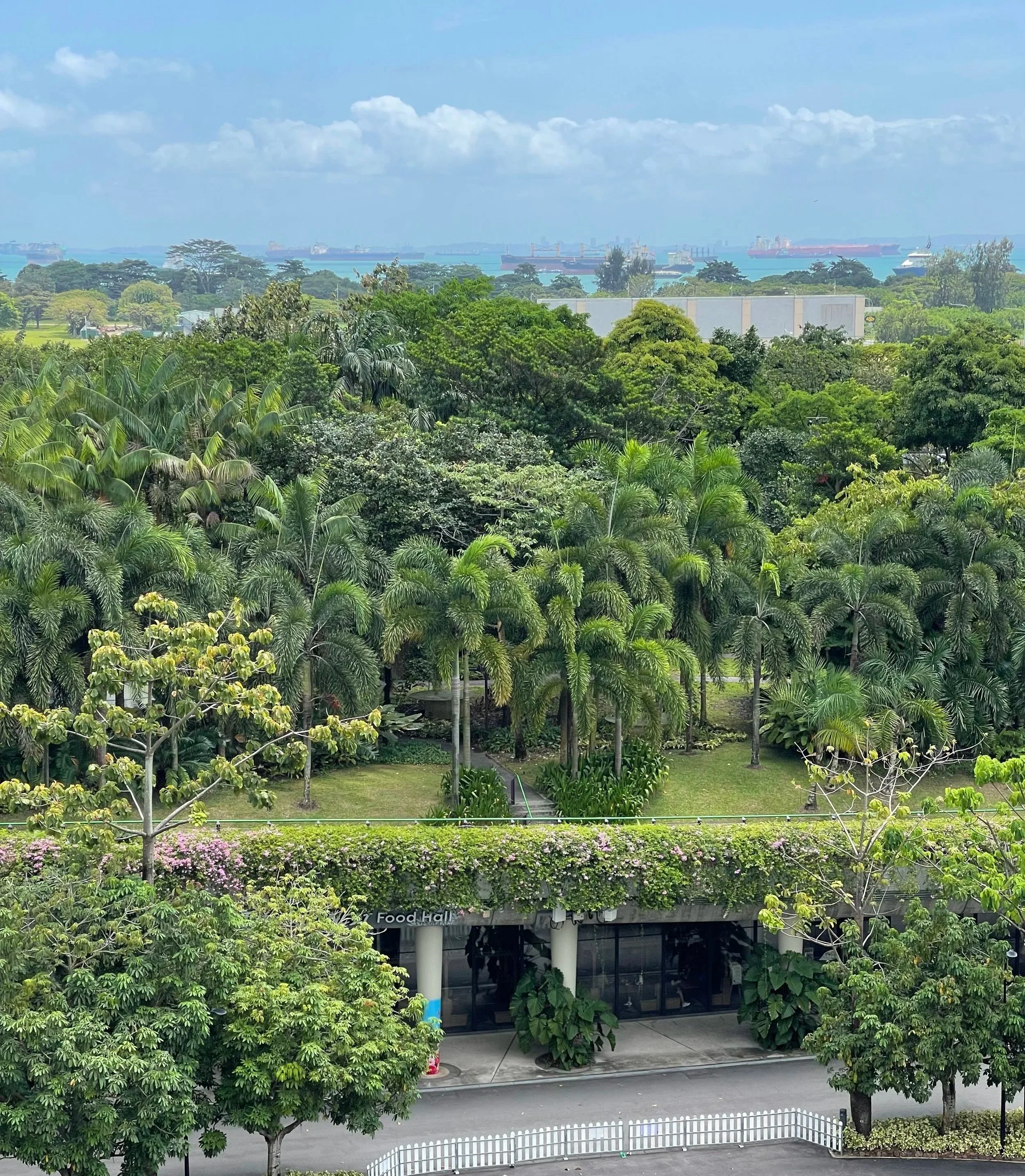
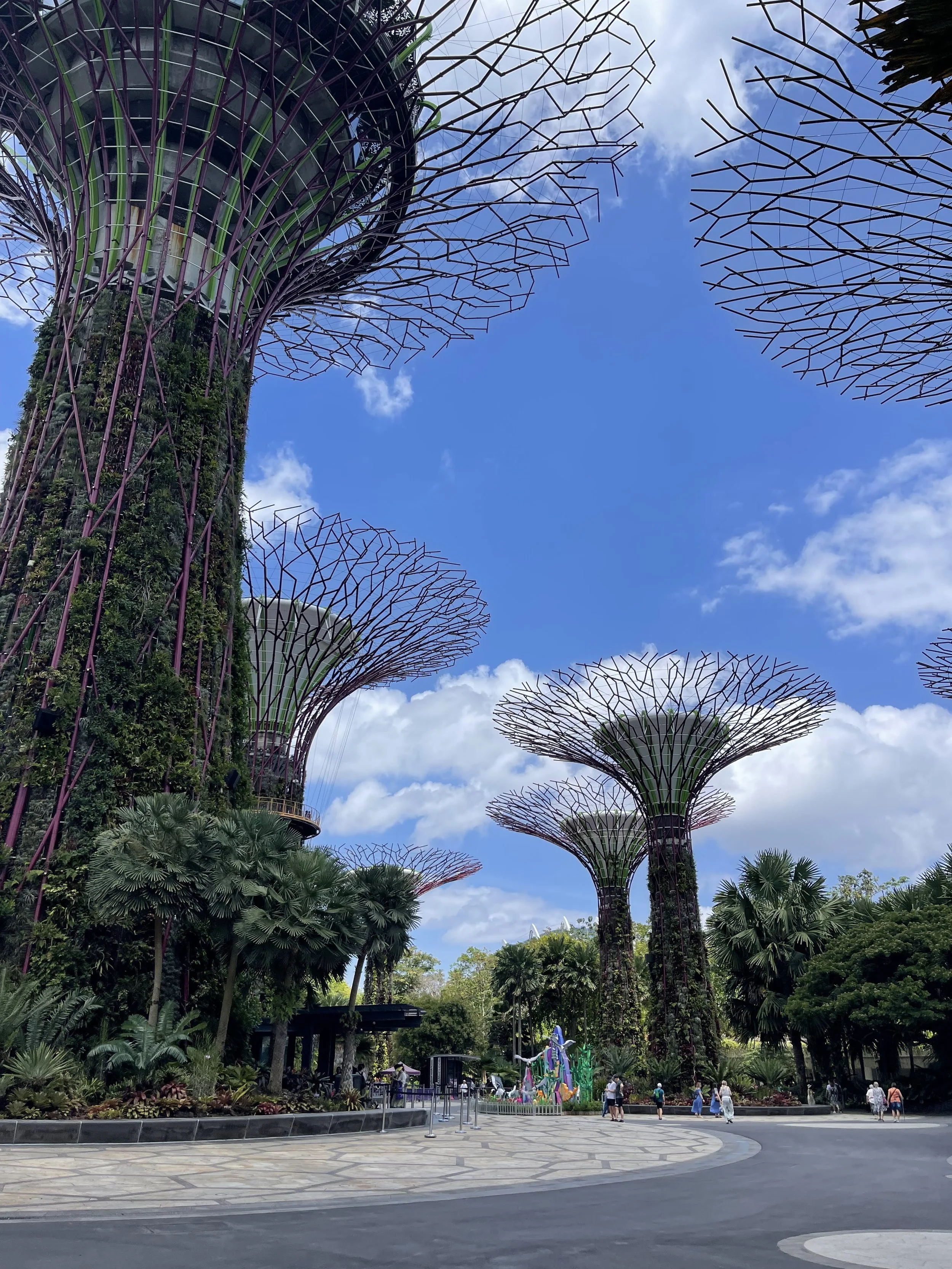
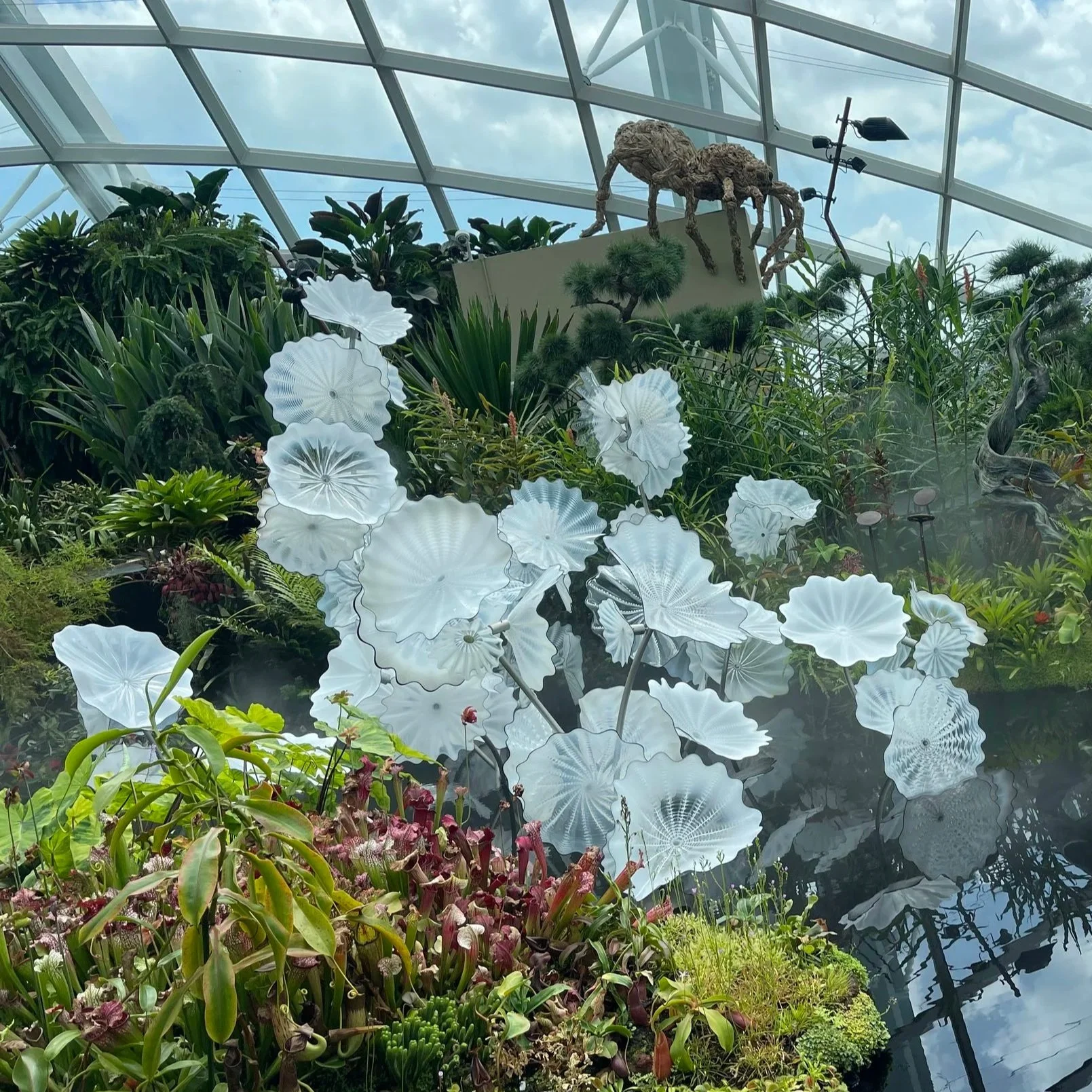
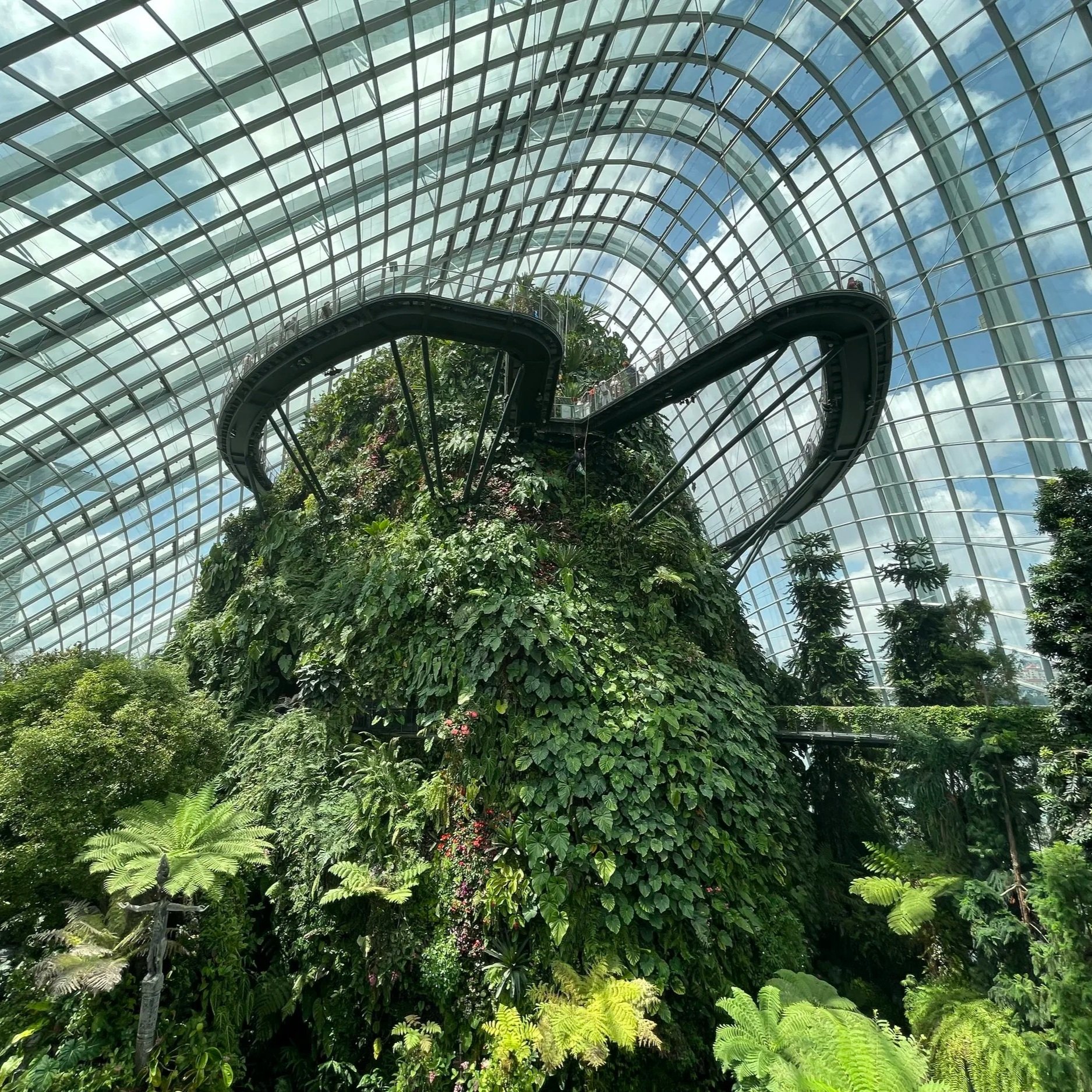
Next we traversed through the many levels of the Cloud Forest, a conservatory which mimics the conditions of tropical mountain and highland regions. Thanks to the Supertrees, which act as massive exhaust vents, the forest is kept perpetually cooler than Singapore’s year-round hot & humid climate. This type of manmade symbiosis felt powerful enough that I could imagine something similar one day helping humanity terraform distant planets, perhaps starting with Mars.
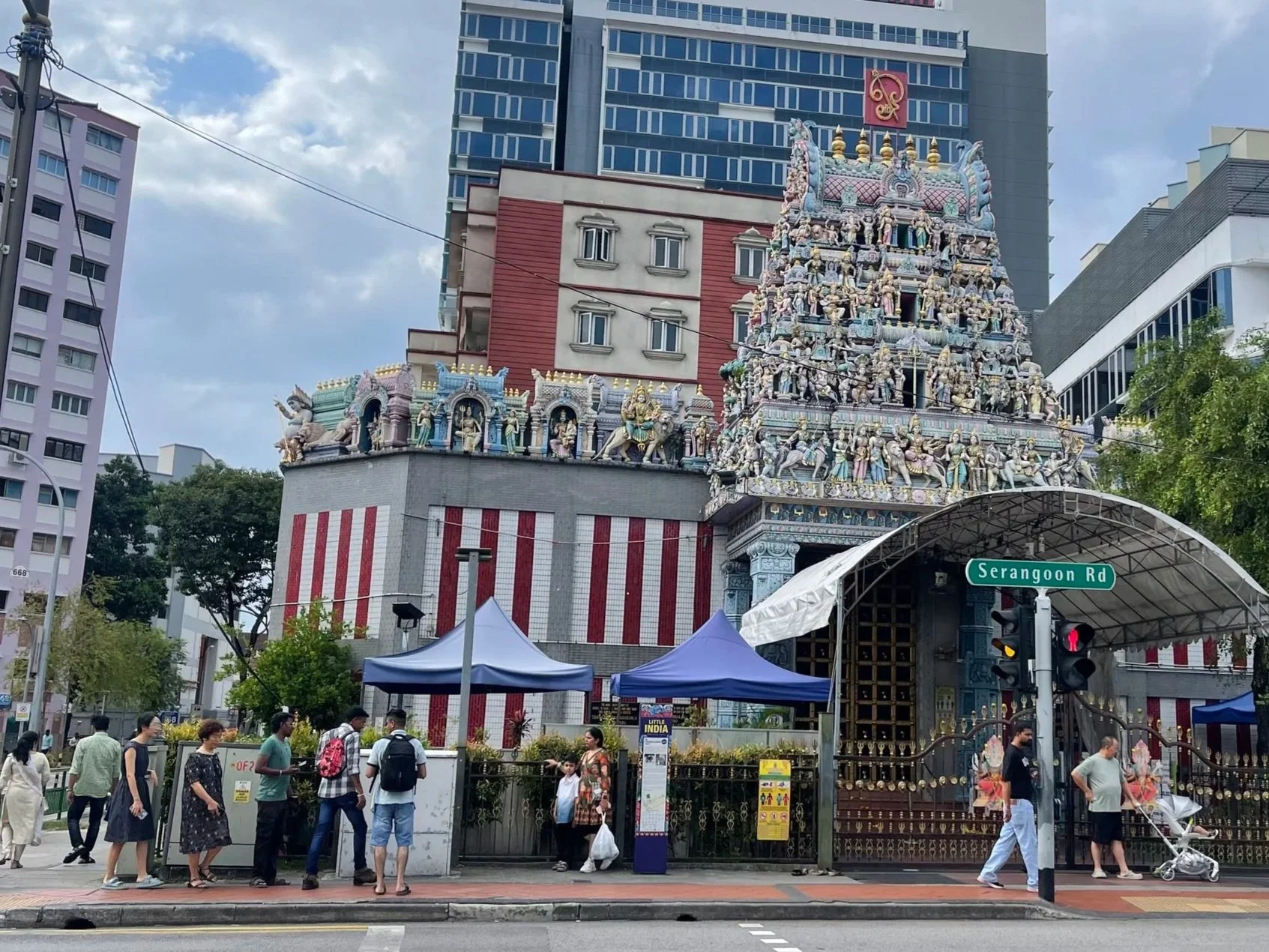
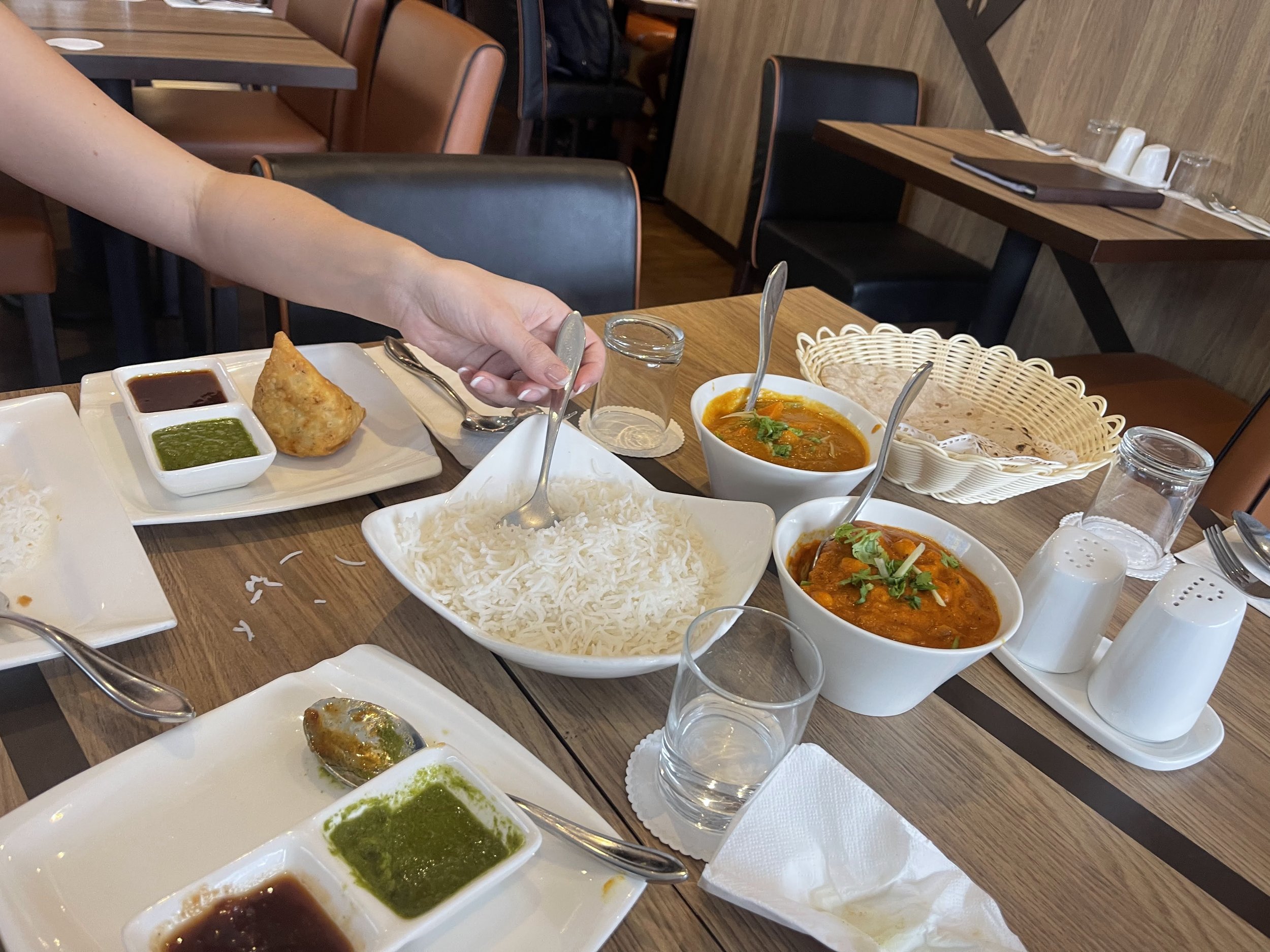
We hailed a Grab (their version of Uber) from Marina Bay Sands to take us to a late lunch in Little India. We’d planned to eat from the hawker stands in the Tekka Centre, but the hawkers were a bit too aggressive for our jet-lagged brains. So we walked down its main street in search of food and, while I’ve never been to India, the chaos we walked through felt pretty genuine to me. Mercifully it didn’t take us long to find an all-vegetarian restaurant, feasting on curry & samosas before checking out a temple, walking back to our hotel, and crashing hard.
The next morning, we woke up early and drove in the dark to the airport for our flight to Thailand. Soon we would be on the beach and could relax like honeymooners ought to.
Thank you for reading! The next post about Thailand will feature customs bribes, fire jump ropes, and baby elephants.
